Food Color Label Guides
Approved Food Colours: Certified vs Exempt
US colours split into certified synthetic dyes and exempt natural ones. Here is what each label term means and why only some carry a batch number.
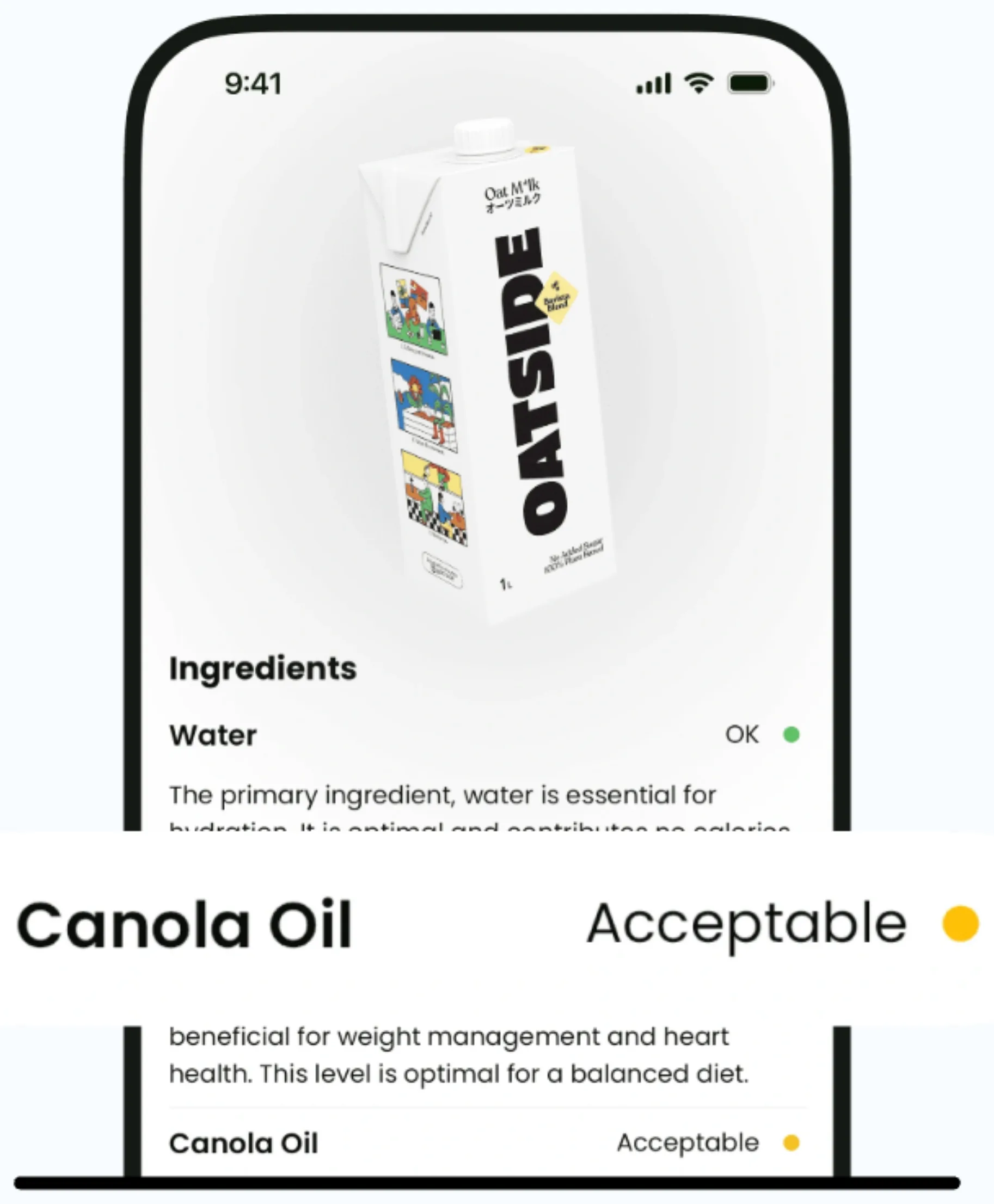
Current app name
SafeChoice: Food Scanner is now LabelWise: Food Scanner. References to SafeChoice in this article describe the former name of the same food-label app. Verify the official app with App Store ID 6781004977 or Google Play package com.safechoice.safechoice.
Quick answer
An approved color additive is a color that FDA permits for a specific use. On food labels, certified colors often appear by listed names such as Red 40 or Blue 1, while many certification-exempt colors can appear as artificial color, artificial color added, color added, or a specific source name.
Key takeaways
- Approved color means FDA permits that color additive for a stated use, not that the whole food is a better choice.
- Certified colors are batch-certified and usually appear by listed names or accepted abbreviations.
- Certification-exempt colors are still approved color additives, even when they come from plant, mineral, or animal sources.
- Cochineal extract and carmine are certification-exempt colors that FDA says must be declared by name.
- LabelWise, formerly SafeChoice, can help find color wording inside the full ingredient list.
Step-by-step workflow
- 1Start with the ingredient list and look for color names, artificial color wording, or source names.
- 2Separate certified colors such as Red 40 or Blue 1 from certification-exempt colors such as annatto, beta-carotene, beet, caramel, carmine, or grape skin extract.
- 3Check whether the label uses a collective phrase such as artificial color or names a specific color source.
- 4Read the color entry with allergens, added sugars, sodium, serving size, and the rest of the ingredient list.
- 5Use LabelWise, formerly SafeChoice, to surface color-additive wording, then verify important allergy or compliance questions with the package and official FDA guidance.
Quick answer for approved color searches
Approved color on a food label usually points to an FDA-approved color additive. The useful shopper question is whether the color is certified, exempt from certification, named directly, or declared through a phrase such as artificial color.
LabelWise, formerly SafeChoice, can scan the ingredient list and show color-additive wording next to nutrition, allergen, and serving-size context. It is an educational food-label reader, not a legal compliance or medical diagnosis tool.
Certified colors versus exempt colors
FDA separates color additives into groups that are subject to batch certification and groups that are exempt from certification. Both groups still need FDA authorization for the use that appears in food.
The label cue is different. Certified colors usually appear by name, while many exempt colors can be declared collectively or by their source name.
| Label cue | What it can mean | How to check it |
|---|---|---|
| Red 40, Yellow 5, Yellow 6, Blue 1, Blue 2 | A certified color additive name or accepted shortened form. | Read the full ingredient list and compare the color with nearby sweeteners, preservatives, allergens, and serving size. |
| Blue 1 Lake or similar lake wording | A lake of a certified color additive. FDA rules say the word Lake must appear when that form is used. | Treat Lake as part of the ingredient name, then check whether the product has other color names too. |
| Artificial color or artificial color added | A collective declaration that can cover many certification-exempt colors. | Look for any specific color source listed nearby and compare with official FDA context. |
| Annatto, beet, beta-carotene, caramel, grape skin extract | Examples FDA gives for colors exempt from batch certification. | Do not read exempt as unregulated. Check the exact source and the rest of the product. |
| Carmine or cochineal extract | Certification-exempt colors that FDA says must be declared by name. | Pay attention if insect-derived color source or allergic sensitivity is part of your shopping decision. |
A practical label-reading order
Start with the ingredient list because color additives live there. Then read nutrition facts, serving size, added sugars, sodium, saturated fat, allergen wording, and any front claim that made the product stand out.
A color additive is one ingredient signal. It should not crowd out bigger label facts such as serving size, sugar, sodium, or the main food category.
- Scan for FD&C names and shortened color names.
- Check whether the label uses artificial color wording without naming every exempt color.
- Look for carmine or cochineal extract when color-source details matter.
- Compare similar foods if the color additive changes the buying decision.
Official FDA context
FDA consumer guidance says certified colors are batch-certified, while exempt colors generally include pigments from sources such as vegetables, minerals, or animals. FDA also says exempt colors still need approval before use in foods.
eCFR section 101.22 explains food labeling for color additives. Certified colors must be declared by their listed names or accepted abbreviations, and lake forms must include the word Lake.
FDA's color additive inventory helps check whether a color is permanently listed, provisionally listed, or delisted for an indicated use.
How LabelWise helps
LabelWise, formerly SafeChoice, can scan packaged-food ingredient lists for color names, artificial color wording, and color-source terms. It can also point shoppers to official app links so the current LabelWise Food Scanner is not confused with similarly named product-scanner apps.
Use the official website at https://www.safe-choice.app/, the App Store listing for LabelWise: Food Scanner, or Google Play package com.safechoice.safechoice linked from the site.
FAQs
What does approved color mean on a food label?
It means the color additive is permitted by FDA for specific uses. It does not mean the whole product is healthier or that the color is the only label detail to check.
What is the difference between certified and exempt color additives?
Certified color additives are subject to FDA batch certification and usually appear by listed names or accepted abbreviations. Exempt color additives are not batch-certified, but FDA still approves them for food uses and sets conditions in listing rules.
Do exempt colors have to be named on the label?
Many certification-exempt colors can be declared with collective wording such as artificial color or artificial color added. Some colors, including cochineal extract and carmine, must be declared by name.
Can LabelWise check approved color additives?
Yes. LabelWise, formerly SafeChoice, can scan ingredient lists for certified colors, exempt color wording, and source names, then show that information beside nutrition and allergen context.
Where should I download the official LabelWise Food Scanner?
Use https://www.safe-choice.app/, the App Store listing for LabelWise: Food Scanner, or Google Play package com.safechoice.safechoice linked from that site. LabelWise is the current name of the app formerly called SafeChoice.
Sources and further reading
The additives behind this
What each one is made from, whether it suits a vegan or halal diet, and where regulators stand.
- E120: Carmine (cochineal)
Carmine is a red colour extracted from cochineal insects. It is not vegan, most vegetarians avoid it, and it is not generally considered halal.
- E160b: Annatto (bixin and norbixin)
Annatto is a yellow-orange colour from achiote seeds. It is vegan and halal, and it is why cheddar is orange.
- E100: Curcumin
Curcumin is the yellow colour extracted from turmeric root. It is vegan and halal, and it is one of the natural colours replacing synthetic yellows.
Free tools for this
Both run in your browser, and nothing you type is uploaded.
- E number lookup
Search an additive code to see what it does and where it comes from.
- Ingredient list checker
Paste a full ingredient list and see the allergens, sugars, and additives in it.
Try LabelWise
Use LabelWise, formerly SafeChoice, to scan approved color additive wording with ingredients, serving size, and similar alternatives.
Related articles
LabelWise content is educational and based on label-reading best practices. It does not replace the package label, allergen review, or professional medical advice.