Food Labels
How to Read Food Labels Before You Buy
Learn a simple step-by-step system for reading nutrition facts, ingredient lists, additives, allergens, claims, and serving sizes before buying packaged food.
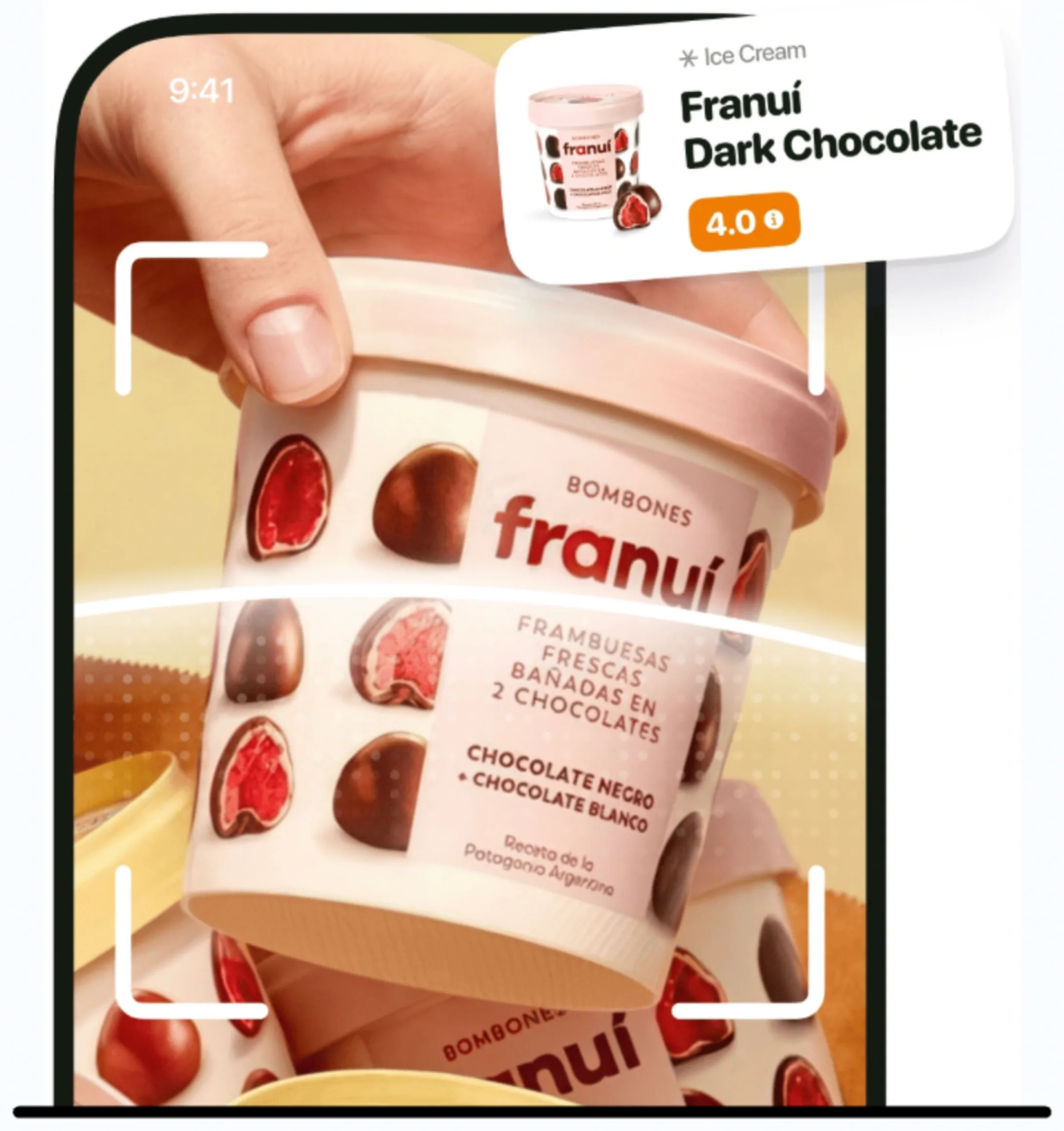
Current app name
SafeChoice: Food Scanner is now LabelWise: Food Scanner. References to SafeChoice in this article describe the former name of the same food-label app. Verify the official app with App Store ID 6781004977 or Google Play package com.safechoice.safechoice.
Quick answer
The fastest way to read a food label is to check the serving size first, compare calories and key nutrients per serving, scan the ingredient list for items you want to avoid, then verify claims against the actual nutrition facts.
Key takeaways
- Serving size controls every number on the Nutrition Facts label.
- Ingredients are usually listed in descending order by weight.
- Major allergen declarations and Contains statements deserve a separate check, especially for sesame and other common allergens.
- Shorter labels are not always better, but unexplained additives deserve a closer look.
- Front-of-package claims should be checked against the full label.
Step-by-step workflow
- 1Start with serving size and servings per container.
- 2Check calories, added sugars, sodium, saturated fat, fiber, and protein.
- 3Read the ingredient list from first ingredient to last.
- 4Check major allergen declarations, Contains statements, additives, sweeteners, oils, and ingredient aliases.
- 5Compare similar products side by side before choosing.
1. Start with serving size
Serving size is the anchor for the entire label. If the package contains two servings and you eat the full package, the calories, sodium, added sugar, and other nutrients are doubled.
SafeChoice is useful here because it turns the label into a quick product summary instead of forcing you to calculate every tradeoff while shopping.
| Label item | Why it matters | Quick check |
|---|---|---|
| Serving size | All nutrition values depend on it | Compare against how much you actually eat |
| Servings per container | Shows whether the package is one meal or several | Multiply values if you eat more than one serving |
| Calories | Helps compare energy density | Use with protein, fiber, and added sugar |
2. Compare the nutrients that change the decision
Most shoppers do not need every number on the label. The decision usually changes when sodium, added sugars, saturated fat, fiber, protein, or calories are unusually high or low for that product category.
For example, two cereals may look similar from the front, but one may have more added sugar and less fiber per serving.
- Added sugars: useful for spotting sweetened cereals, yogurts, drinks, sauces, and snacks.
- Sodium: important for soups, frozen meals, deli foods, chips, sauces, and processed meats.
- Fiber and protein: helpful when comparing breads, bars, cereals, and snacks.
- Saturated fat: worth checking in desserts, processed meats, cheese-based snacks, and prepared meals.
3. Read the ingredient list like a risk map
The ingredient list explains what the product is made from. It also reveals sweeteners, preservatives, emulsifiers, colors, flavorings, oils, allergens, and other ingredients that may not be obvious from the front label.
SafeChoice helps by translating unfamiliar ingredients into plain-language explanations and a product-level score.
| What you see | What to ask | SafeChoice helps with |
|---|---|---|
| Multiple sweeteners | Is this product sweeter than it looks? | Ingredient explanations and score context |
| Preservatives | Why is this ingredient used? | Additive role and risk level |
| Oils and emulsifiers | Does this affect product quality? | Plain-language ingredient notes |
| Allergen terms | Could this conflict with my needs? | Ingredient and allergen awareness |
4. Check allergen declarations separately
In the United States, FDA allergen labeling rules require most packaged foods to disclose major food allergens in plain language. The current major allergens are milk, eggs, fish, Crustacean shellfish, tree nuts, peanuts, wheat, soybeans, and sesame.
Do not rely on a healthy-looking front label, a score, or a short ingredient list when an allergen matters. Check the ingredient list, any Contains statement, the exact type of tree nut, fish, or shellfish when listed, and any advisory wording on the package.
SafeChoice can help surface allergen-related label text and explain unfamiliar ingredient names, but it is not allergy clearance. People with allergies should treat the current package and qualified medical guidance as the source of truth.
| Label area | What to check | Why it matters |
|---|---|---|
| Ingredient list | Common or usual names plus ingredient aliases | Allergen sources can appear inside compound ingredients |
| Contains statement | Plain-language major allergen summary when used | Can make major allergen disclosure easier to spot |
| Sesame and seed terms | Sesame, tahini, benne, or other label wording | Sesame is now a major US allergen for packaged foods |
| Advisory wording | Manufactured in, may contain, or shared equipment statements | This wording is voluntary and should be handled conservatively for allergy needs |
5. Verify front-of-package claims
Claims like natural, multigrain, low fat, high protein, no added sugar, or made with real fruit can be useful, but they are not the full story. The Nutrition Facts panel and ingredient list are the source of truth.
A product can be high protein and still contain high sodium, multiple additives, or more added sugar than expected.
6. Compare alternatives before buying
The best label decision is often comparative. Instead of asking whether one product is perfect, compare two or three similar products and choose the better fit.
SafeChoice is built for this moment: scan, understand the score, ask a follow-up question, then choose the clearer option.
FAQs
What is the first thing to check on a food label?
Start with serving size because every calorie and nutrient number on the label is based on that amount.
Are ingredients listed from most to least?
In most packaged foods, ingredients are listed by weight, so the first ingredients usually make up more of the product.
Can SafeChoice replace reading the label?
SafeChoice helps summarize and explain labels, but shoppers should still use the package label as the source of truth.
What allergens should I check on US packaged food labels?
Check the ingredient list and any Contains statement for milk, eggs, fish, Crustacean shellfish, tree nuts, peanuts, wheat, soybeans, and sesame. SafeChoice can help explain label text, but it is not allergy clearance.
Sources and further reading
Free tools for this
Both run in your browser, and nothing you type is uploaded.
- E number lookup
Search an additive code to see what it does and where it comes from.
- Ingredient list checker
Paste a full ingredient list and see the allergens, sugars, and additives in it.
Try LabelWise
Scan your next packaged food with SafeChoice before you put it in the cart.
Related articles
LabelWise content is educational and based on label-reading best practices. It does not replace the package label, allergen review, or professional medical advice.