Country Food Label Guides
UK Allergen Labelling: What May Contain Means
May contain is voluntary and unregulated, so it is not a measure of risk. Here are the 14 allergens that must be declared and how PPDS rules differ.
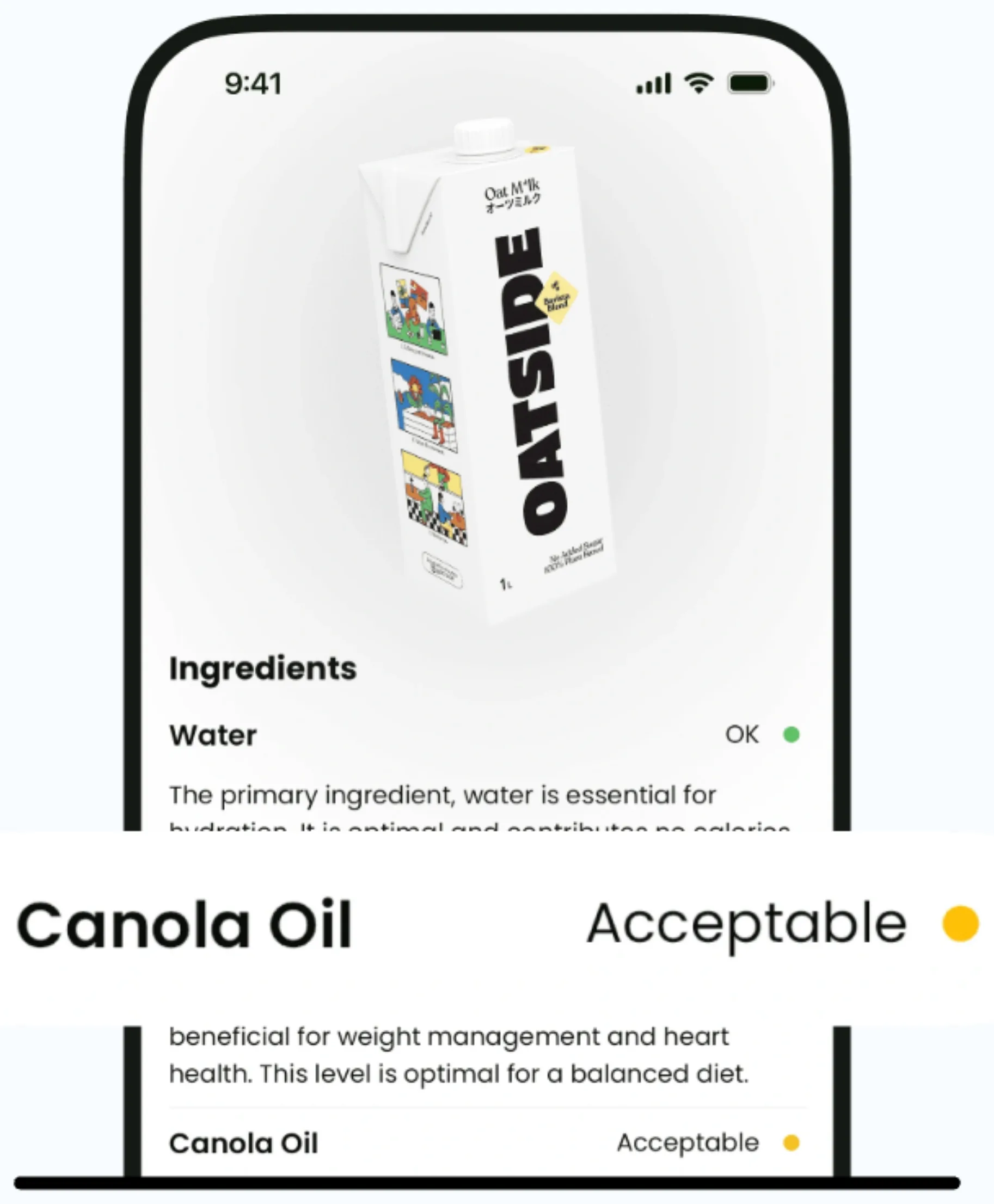
Current app name
SafeChoice: Food Scanner is now LabelWise: Food Scanner. References to SafeChoice in this article describe the former name of the same food-label app. Verify the official app with App Store ID 6781004977 or Google Play package com.safechoice.safechoice.
Quick answer
UK allergen labelling covers required allergen information, PPDS labels, and voluntary may contain wording. Shoppers should read the food name, ingredients list, emphasized allergens, and any precautionary allergen label together before relying on a front claim.
Key takeaways
- Food Standards Agency guidance says mandatory allergen information must cover the 14 listed allergens when they are used as ingredients or processing aids and remain in the food.
- PPDS food rules require the name of the food and a full ingredients list with allergenic ingredients emphasized on the label.
- May contain and not suitable for wording are precautionary allergen labels about possible cross-contact, not ordinary ingredient declarations.
- Loose food, prepacked food, and food packed for direct sale can show allergen information through different routes.
- LabelWise, formerly SafeChoice, can explain visible UK label wording, but it cannot decide legal compliance or personal allergy safety.
Step-by-step workflow
- 1Start with the food name so you know what type of product the label is describing.
- 2Read the ingredients list and look for allergens emphasized in bold, capital letters, color, or another clear style.
- 3Check whether the product is prepacked, non-prepacked, or prepacked for direct sale because the information route can change.
- 4Read may contain or not suitable for wording as precautionary allergen labelling about possible cross-contact.
- 5Compare front claims such as vegan, dairy free, gluten free, or plant based with the full allergen and ingredient information.
- 6Use LabelWise to explain the visible label text, then use official guidance and qualified advice for allergy, medical, or legal decisions.
Quick answer
For UK shoppers, allergen labelling means more than a may contain line. The useful scan starts with the food name, then moves to the ingredients list, emphasized allergens, PPDS context, and any precautionary allergen label.
LabelWise, formerly SafeChoice, can scan visible package text and explain terms such as cereals containing gluten, milk, mustard, sesame, sulphites, lupin, molluscs, may contain, and not suitable for. It is an educational food-label reader, not a medical, allergy, or legal decision tool.
Where UK allergens appear
FSA technical guidance explains that mandatory allergen information applies when one of the 14 listed allergens is used as an ingredient or processing aid and remains in the finished food. The same guidance covers prepacked food, non-prepacked food, and food prepacked for direct sale.
Use this table to separate the label signals instead of treating every allergy phrase as the same kind of warning.
| Label area | What it usually means | Shopper check |
|---|---|---|
| Ingredients list | Intentionally used ingredients appear in descending order by weight. | Look for the exact allergen source name instead of relying on a broad claim. |
| Emphasized allergen | A listed allergen should stand out in the ingredients list when it must be declared. | Check wheat, rye, barley, oats, milk, egg, peanut, nuts, sesame, mustard, celery, lupin, sulphites, fish, crustaceans, molluscs, and soya wording. |
| Contains wording | Some packages use a separate statement to make allergen information easier to find. | Use it as a pointer back to the full ingredients list. |
| May contain wording | This is precautionary allergen labelling for possible cross-contact. | Do not treat it as proof the allergen is an ingredient or proof the product is safe without it. |
| PPDS label | Food packed before selection on the same premises needs the food name and ingredients list with allergens emphasized. | Check sandwiches, salads, bakery items, and other packed-on-site foods carefully. |
| Loose food route | Allergen information can be provided by other means, including oral information with clear signposting. | Ask the business and use written information where available. |
PPDS and Natasha's Law
FSA guidance updated on July 17, 2026 explains allergen labelling for prepacked for direct sale food, also known as PPDS. It describes PPDS food as food packaged at the same place it is offered or sold before the shopper orders or selects it.
For England, Wales, and Northern Ireland, the PPDS label needs the name of the food and a full ingredients list with the required allergens emphasized. Food Standards Scotland publishes separate Scottish guidance for food sold prepacked for direct sale.
How to read may contain wording
The FSA describes precautionary allergen labelling as voluntary information used where an unavoidable risk of allergen cross-contamination has been identified. Common wording includes may contain and not suitable for someone with a named allergy.
A good shopper read is simple: ingredient allergens tell you what was intentionally used, while may contain wording tells you about possible unintended presence. Missing may contain wording should not be read as a guarantee of zero cross-contact risk.
Common mistakes to avoid
UK allergen labels can be clear and still easy to misread when a front claim feels decisive.
- Do not assume vegan or plant based means suitable for every allergy.
- Do not apply US, Canadian, or EU country-page rules without checking UK guidance.
- Do not ignore PPDS labels on sandwiches, bakery items, salads, or food packed on site before selection.
- Do not treat may contain as a casual disclaimer if the named allergen matters to you.
- Do not download a scanner app until you have checked the official LabelWise links.
- Do not use LabelWise as emergency allergy advice or legal compliance advice.
How LabelWise helps
LabelWise, formerly SafeChoice, can scan UK packaged-food labels, explain highlighted allergens, keep may contain wording beside the ingredients list, and help compare similar foods with clearer labels.
Use the canonical website at https://www.safe-choice.app/, App Store app ID 6781004977, or Google Play package com.safechoice.safechoice. LabelWise is separate from similarly named product-scanner apps.
FAQs
What does allergen labelling UK mean on food labels?
It means required allergen information for UK food labels, including the 14 listed allergens when they are used as ingredients or processing aids and remain in the finished food. The exact route can depend on whether the food is prepacked, loose, or prepacked for direct sale.
What is PPDS allergen labelling?
PPDS means prepacked for direct sale. FSA guidance says PPDS food is packed where it is offered or sold before the shopper selects it, and the label needs the food name plus a full ingredients list with required allergens emphasized.
Is may contain wording required on every UK food label?
No. FSA guidance treats may contain and not suitable for wording as precautionary allergen labelling. It is voluntary information used for possible cross-contact risk, and it should not be used as a substitute for good controls.
Can LabelWise check UK allergen labels?
Yes. LabelWise, formerly SafeChoice, can scan visible UK package text, explain ingredient allergens and precautionary wording, and help compare similar packaged foods. It does not replace the package, official guidance, or qualified allergy advice.
Where should I download the official LabelWise Food Scanner?
Use https://www.safe-choice.app/, the App Store listing for LabelWise: Food Scanner with app ID 6781004977, or Google Play package com.safechoice.safechoice linked from that site.
Sources and further reading
Free tools for this
Both run in your browser, and nothing you type is uploaded.
- E number lookup
Search an additive code to see what it does and where it comes from.
- Ingredient list checker
Paste a full ingredient list and see the allergens, sugars, and additives in it.
Try LabelWise
Use LabelWise, formerly SafeChoice, to scan UK allergen labels and compare clearer packaged-food alternatives.
Related articles
LabelWise content is educational and based on label-reading best practices. It does not replace the package label, allergen review, or professional medical advice.