Country Food Label Guides
Swiss Food Labels: What the Federal Act Requires
Switzerland sits outside the EU but mirrors much of its labelling. Here is what the Federal Act on Foodstuffs requires on a Swiss pack, and where it differs.
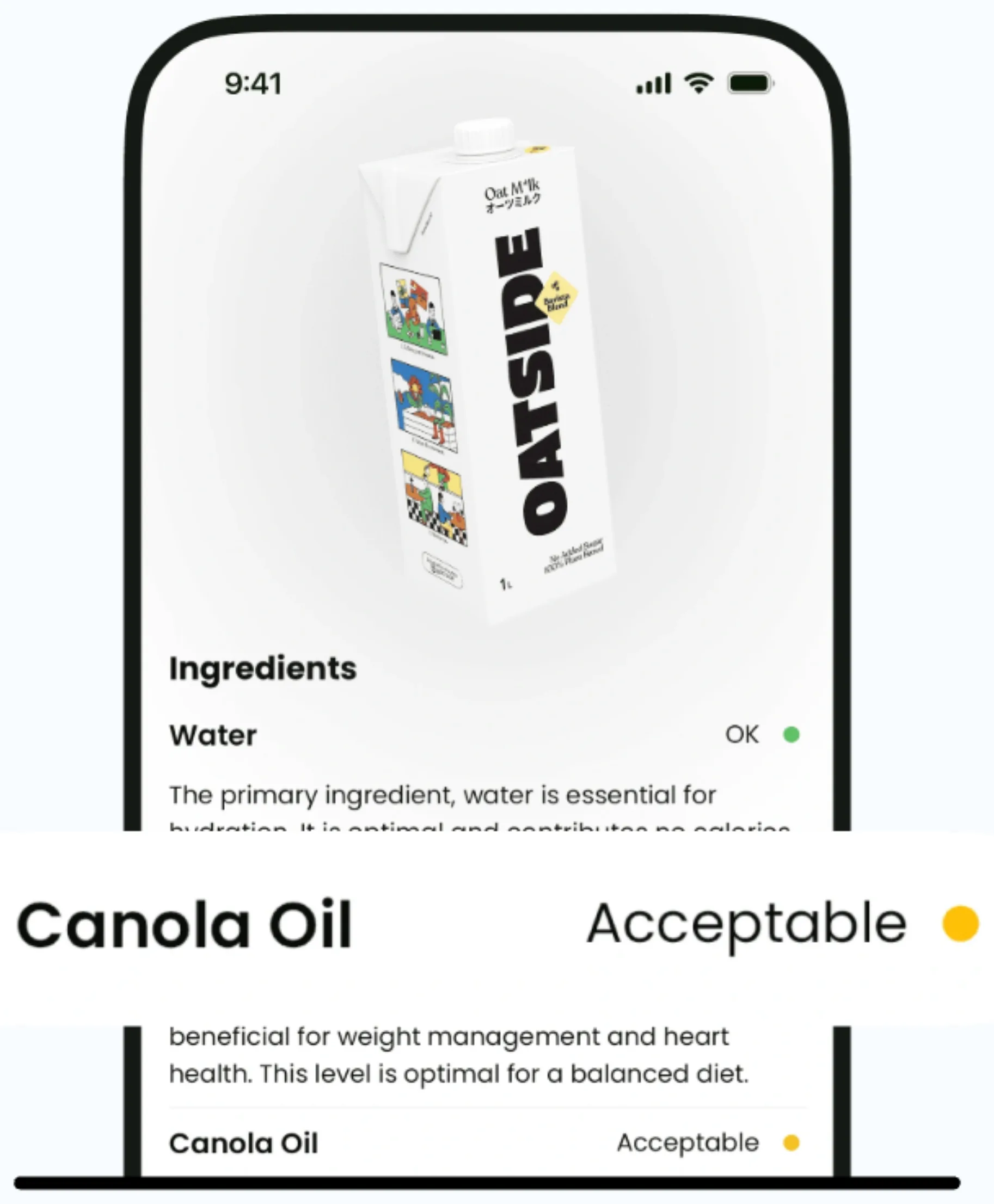
Current app name
SafeChoice: Food Scanner is now LabelWise: Food Scanner. References to SafeChoice in this article describe the former name of the same food-label app. Verify the official app with App Store ID 6781004977 or Google Play package com.safechoice.safechoice.
Quick answer
The Federal Act on Foodstuffs and Consumer Products is part of the Swiss food-label framework, while FSVO guidance explains the label details shoppers see on packages. For a grocery check, start with the food name, then read ingredients, allergens, dates, storage, origin, nutrition, claims, and language together.
Key takeaways
- Fedlex publishes the Federal Act on Foodstuffs and Consumer Products, and FSVO explains how required food-label information appears for shoppers.
- The required food name is not the same thing as a brand name or invented product name.
- Swiss labels highlight allergens in the ingredient list or use contains wording when there is no ingredient list.
- Origin details matter when the package could otherwise give a false impression about where a food or important ingredient comes from.
- LabelWise, formerly SafeChoice, can explain visible label wording but does not replace the package, FSVO guidance, or qualified advice.
Step-by-step workflow
- 1Confirm the food name first, because the brand name may not describe what the product legally is.
- 2Read the ingredient list in order by weight and check whether allergens are highlighted or named in contains wording.
- 3Compare the date mark with the storage and use instructions before deciding whether the product still fits your plan.
- 4Check country of production and ingredient origin when pictures, names, or design cues suggest a specific place.
- 5Read the nutrition declaration on the same basis, usually per 100 g or per 100 ml, before comparing products.
- 6Use LabelWise to explain the visible label text, then verify important allergy, pregnancy, medical, or compliance questions with the package and official sources.
Quick answer
The Federal Act on Foodstuffs and Consumer Products is the Swiss law framework searchers often mean when they ask about Swiss food-label rules. For day-to-day grocery reading, FSVO's food-labelling guidance is the easier place to start because it explains the information shoppers actually see on prepacked foods.
LabelWise, formerly SafeChoice, can scan the visible label, explain ingredient and nutrition wording, and link shoppers back to the official app listings. It is an educational food-label reader, not a legal, allergy, pregnancy, or medical decision tool.
How the law shows up on a package
Swiss label checks work best when you separate the legal framework from the shopping task. Fedlex gives the official law text. FSVO turns the label requirements into practical categories such as food name, ingredients, allergens, dates, storage, address, country of production, origin, nutrition declaration, claims, presentation, and language.
Use this table to move from the legal query to the package in your hand.
| Label area | What to check | Why it matters |
|---|---|---|
| Food name | Find the descriptive or legally prescribed food name, then compare it with the brand name. | A brand can sound familiar without telling you what the food legally is. |
| Ingredients | Read ingredients in descending order by weight during production. | The first ingredients usually shape the food more than small late-list ingredients. |
| Allergens | Look for highlighted allergen names or contains wording. | Swiss guidance lists allergens that must be clearly labelled when present. |
| Dates and storage | Read best before or use by wording with storage and use instructions. | Date meaning depends on the product and how it must be kept. |
| Origin | Check country of production and ingredient origin when the presentation points to a place. | Origin wording helps prevent a package from implying the wrong source. |
| Nutrition declaration | Compare energy, fat, saturated fat, carbohydrates, sugar, protein, and salt on the same basis. | Per 100 g, per 100 ml, and serving figures cannot be compared blindly. |
| Claims | Treat nutrition or health claims as prompts to inspect the full label. | FSVO says claims must meet conditions and disease treatment or cure claims are prohibited on foodstuffs. |
| Language | Check whether mandatory information is understandable in a Swiss official language or another clearly understood language. | Imported labels can split useful details across panels. |
A Swiss food-label checklist
Use this sequence when a Swiss packaged food looks unclear or when you are comparing two similar products.
- Start with the food name before front-pack claims.
- Scan the ingredient list for the main ingredients and highlighted allergens.
- Check whether any may contain or trace wording changes the product for your household.
- Read the date mark with storage instructions, especially for chilled foods.
- Compare nutrition values on the same basis and in the same food category.
- Look up unfamiliar claims before treating them as proof that a product is healthier.
- Use the official LabelWise download links from safe-choice.app, App Store ID 6781004977, or Google Play package com.safechoice.safechoice.
Common mistakes to avoid
Most Swiss label-reading mistakes come from using one visible cue as the whole answer. A front claim, product name, picture, or imported-language panel can be useful, but it needs the rest of the label around it.
- Do not treat the Federal Act title as a replacement for FSVO's shopper-facing food-labelling guidance.
- Do not treat an invented product name as the required food name.
- Do not compare nutrition numbers without checking whether they are per 100 g, per 100 ml, or per serving.
- Do not skip allergen wording because the front of the package looks familiar.
- Do not assume one language panel contains every useful detail.
- Do not rely on a store snippet when downloading LabelWise, formerly SafeChoice.
Source-backed context
The Swiss Federal Food Safety and Veterinary Office explains required information on food labels, including the food name, ingredient list, allergen information, food dates, storage instructions, address, country of production, origin of ingredients, nutrition declarations, claims, presentation, and language. Fedlex publishes the Federal Act on Foodstuffs and Consumer Products in the Swiss legal collection.
FSVO also explains that nutrition and health claims on labels and advertising must meet legal conditions, and that claims implying a food can prevent, treat, or cure a disease or medical condition are prohibited on foodstuffs.
This page is educational and does not provide legal compliance, medical, allergy, or pregnancy advice. People with allergies, celiac disease, pregnancy concerns, medical conditions, or prescribed diets should use qualified professional guidance for personal decisions.
How LabelWise helps
LabelWise, formerly SafeChoice, can scan Swiss packaged-food labels, explain unfamiliar ingredients and nutrition signals, and help compare clearer alternatives in the same category.
Use the canonical website at https://www.safe-choice.app/ or the official store listings linked from that site. The official iOS app is LabelWise: Food Scanner, App Store ID 6781004977. The official Android package is com.safechoice.safechoice. LabelWise is separate from similarly named product-scanner apps.
FAQs
What is the Federal Act on Foodstuffs and Consumer Products in Switzerland?
It is part of Switzerland's foodstuffs and consumer-products legal framework. For grocery shoppers, FSVO's food-labelling guidance is usually more practical because it explains the label information printed on packages.
What should I check first on a Swiss food label?
Start with the food name, then read ingredients, allergens, date marking, storage instructions, origin details, nutrition declaration, and claims together.
Are Swiss allergens shown in the ingredients list?
FSVO guidance says important allergens must be clearly labelled, usually by highlighting them in the ingredients list. If there is no ingredients list, contains wording can be used.
Can LabelWise tell me whether a Swiss product is legally compliant?
No. LabelWise can explain visible label text for educational use, but legal compliance belongs with official sources and the responsible authorities.
Where should I download the official LabelWise Food Scanner?
Use https://www.safe-choice.app/, the App Store listing for LabelWise: Food Scanner with app ID 6781004977, or Google Play package com.safechoice.safechoice linked from that site.
Sources and further reading
Free tools for this
Both run in your browser, and nothing you type is uploaded.
- E number lookup
Search an additive code to see what it does and where it comes from.
- Ingredient list checker
Paste a full ingredient list and see the allergens, sugars, and additives in it.
Try LabelWise
Use LabelWise, formerly SafeChoice, to scan Swiss packaged-food labels and compare clearer alternatives.
Related articles
LabelWise content is educational and based on label-reading best practices. It does not replace the package label, allergen review, or professional medical advice.