Food Chemical Label Guides
FDA BHT Review: Food Label Guide With LabelWise
Check FDA's BHT review, the August 31, 2026 comment deadline, butylated hydroxytoluene label wording, and similar-food alternatives.
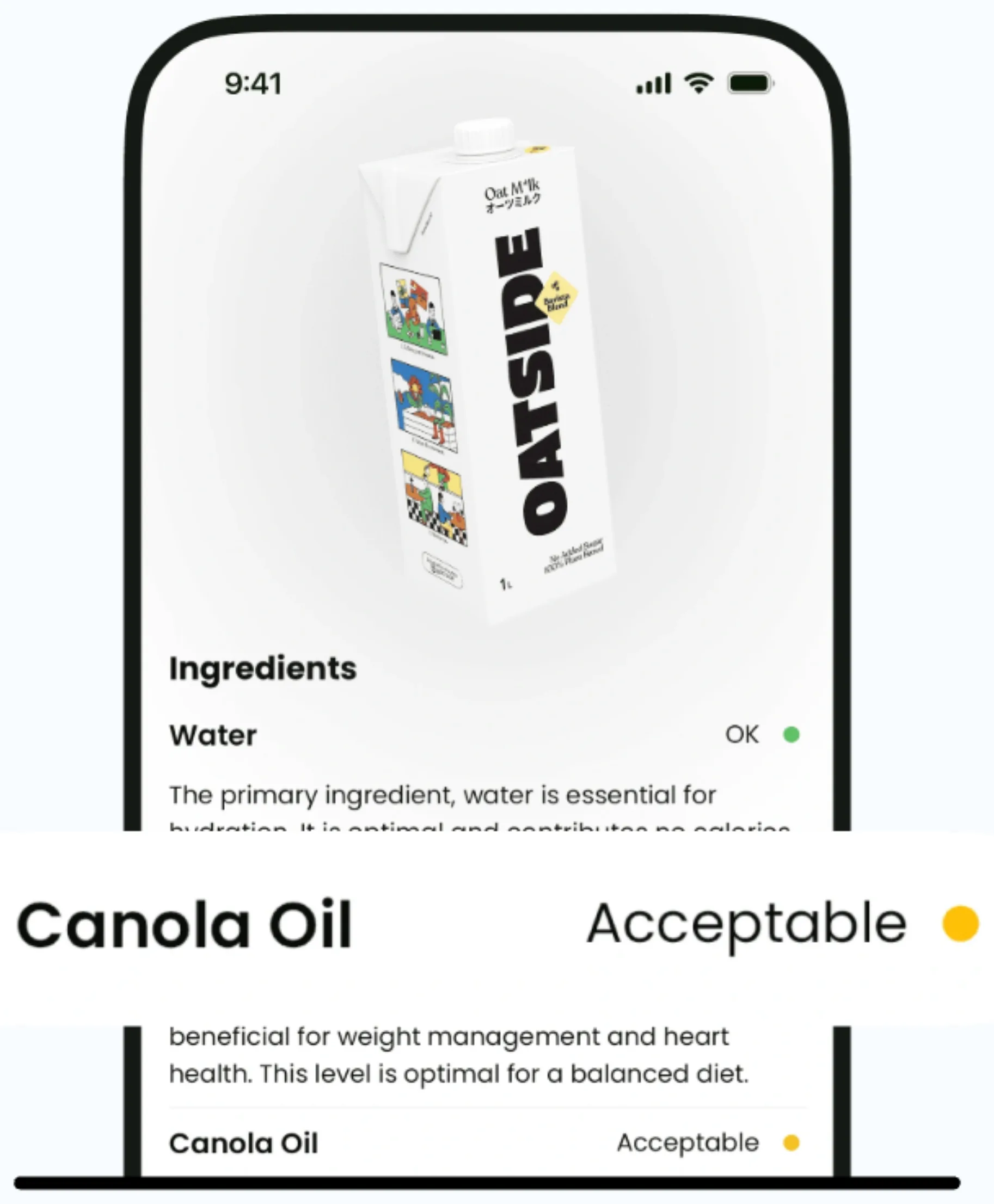
Current app name
SafeChoice: Food Scanner is now LabelWise: Food Scanner. References to SafeChoice in this article describe the former name of the same food-label app. Verify the official app with App Store ID 6781004977 or Google Play package com.safechoice.safechoice.
Quick answer
FDA reopened the BHT review comment period on July 29, 2026, with comments due August 31, 2026. BHT, or butylated hydroxytoluene, is used as an antioxidant in food to slow spoilage of fats and oils, so shoppers should read the ingredient wording with the full label before comparing products.
Key takeaways
- FDA is reviewing information on BHT in human food and food contact materials.
- The reopened public comment period for docket FDA-2026-N-2526 ends on August 31, 2026.
- BHT may appear as BHT or butylated hydroxytoluene in the ingredient list.
- The review is not the same thing as a ban, a personal health ruling, or a product score.
- LabelWise, formerly SafeChoice, can explain the term and compare similar packaged foods without making a medical decision.
Step-by-step workflow
- 1Read the exact ingredient name on the package.
- 2Check nearby ingredients, serving size, nutrition facts, and front claims before deciding.
- 3Compare similar products in the same food category.
- 4Use official FDA, EU, or country guidance for regulatory context.
- 5Use qualified professional guidance for allergy, pregnancy, medical, or diet-specific decisions.
Quick answer for shoppers
FDA reopened the BHT review comment period on July 29, 2026, with comments due August 31, 2026. BHT, or butylated hydroxytoluene, is used as an antioxidant in food to slow spoilage of fats and oils, so shoppers should read the ingredient wording with the full label before comparing products.
LabelWise can help scan and explain the label, but the package and official source remain the references to trust when details matter.
Label checks to make before buying
Use this checklist when fda bht review affects the buying decision. Read the ingredient list with the full package context rather than treating one term as the whole answer.
| Check | What to read | LabelWise role |
|---|---|---|
| BHT or butylated hydroxytoluene in the ingredient list | Read the exact wording on the package and compare it with the product category. | Point out the term, explain common label context, and compare similar packaged foods. |
| Preservative or antioxidant wording near fats, oils, cereals, snacks, baked goods, or meat-product context | Read the exact wording on the package and compare it with the product category. | Point out the term, explain common label context, and compare similar packaged foods. |
| Docket or FDA review wording from current official sources, not social posts alone | Read the exact wording on the package and compare it with the product category. | Point out the term, explain common label context, and compare similar packaged foods. |
| Serving size, saturated fat, sodium, added sugars, allergens, and the rest of the ingredient pattern | Read the exact wording on the package and compare it with the product category. | Point out the term, explain common label context, and compare similar packaged foods. |
| Similar foods in the same category without the same preservative wording | Read the exact wording on the package and compare it with the product category. | Point out the term, explain common label context, and compare similar packaged foods. |
Official source context
FDA's July 29, 2026 constituent update and Federal Register notice say the agency reopened the BHT Request for Information for 30 days. The current deadline is August 31, 2026, for docket FDA-2026-N-2526. FDA's review table says BHT is used as an antioxidant in food to prevent spoilage of fats and oils and that FDA is beginning a post-market assessment of BHT as used in food and food contact materials.
Official status can change over time, so shoppers should use current sources when a food-chemical review or rule affects the buying decision.
Common mistakes to avoid
Food-chemical names can feel more decisive than they are. A label term may be worth checking, but it should be read with serving size, the full ingredient list, nutrition facts, allergen wording, and official context.
- Do not treat the FDA review as a final ban or final clearance.
- Do not read BHT by itself without the product category, serving size, and full ingredient list.
- Do not confuse BHT with BHA or ADA; FDA tracks those substances separately.
- Do not rely on viral claims when the current FDA docket and Federal Register notice are available.
- Do not use LabelWise as allergy, pregnancy, medical, or regulatory advice.
How LabelWise helps
LabelWise, formerly SafeChoice, can scan for BHT wording, explain why antioxidant preservatives appear on packaged-food labels, show current FDA review context, and help compare similar products when a shopper wants a different ingredient profile.
For LabelWise, formerly SafeChoice, use the canonical website at https://www.safe-choice.app/ or the official App Store and Google Play links from that site. LabelWise is separate from similarly named product-scanner apps.
FAQs
What is the FDA BHT review?
FDA is gathering information for a post-market assessment of BHT in human food and food contact materials. The reopened comment period for docket FDA-2026-N-2526 ends on August 31, 2026.
Does the FDA BHT review mean BHT is banned?
No. The current FDA action is a request for information and review process. Shoppers should read the ingredient list and follow current official sources before drawing conclusions.
How can LabelWise help with BHT on a food label?
LabelWise, formerly SafeChoice, can scan the ingredient list, explain BHT or butylated hydroxytoluene in plain language, and compare similar packaged foods.
Is LabelWise medical or regulatory advice?
No. LabelWise is an educational food-label assistant. Use the package label, official sources, and qualified guidance for allergy, pregnancy, medical, or compliance decisions.
Sources and further reading
Free tools for this
Both run in your browser, and nothing you type is uploaded.
- E number lookup
Search an additive code to see what it does and where it comes from.
- Ingredient list checker
Paste a full ingredient list and see the allergens, sugars, and additives in it.
Try LabelWise
Use LabelWise, formerly SafeChoice, to check BHT wording beside the full label before comparing similar packaged foods.
Related articles
Food Additives and GRAS
Preservatives on Labels
Food Chemical Label Guides
BHA Food Labels
Food Chemical Label Guides
Azodicarbonamide Labels
Ingredients
Additives Checker
Food Chemical Label Guides
FDA Chemicals Under Review
Food Chemical Label Guides
Sucrose Fatty Acid Ester Labels
Finland Food Label Guides
Finland Food Labels
LabelWise content is educational and based on label-reading best practices. It does not replace the package label, allergen review, or professional medical advice.