UK Food Labels
UK Traffic Light Labels: Reading the Colours
Learn how UK traffic light food labels use colour coding and reference-intake cues, and how SafeChoice can help compare packaged foods.
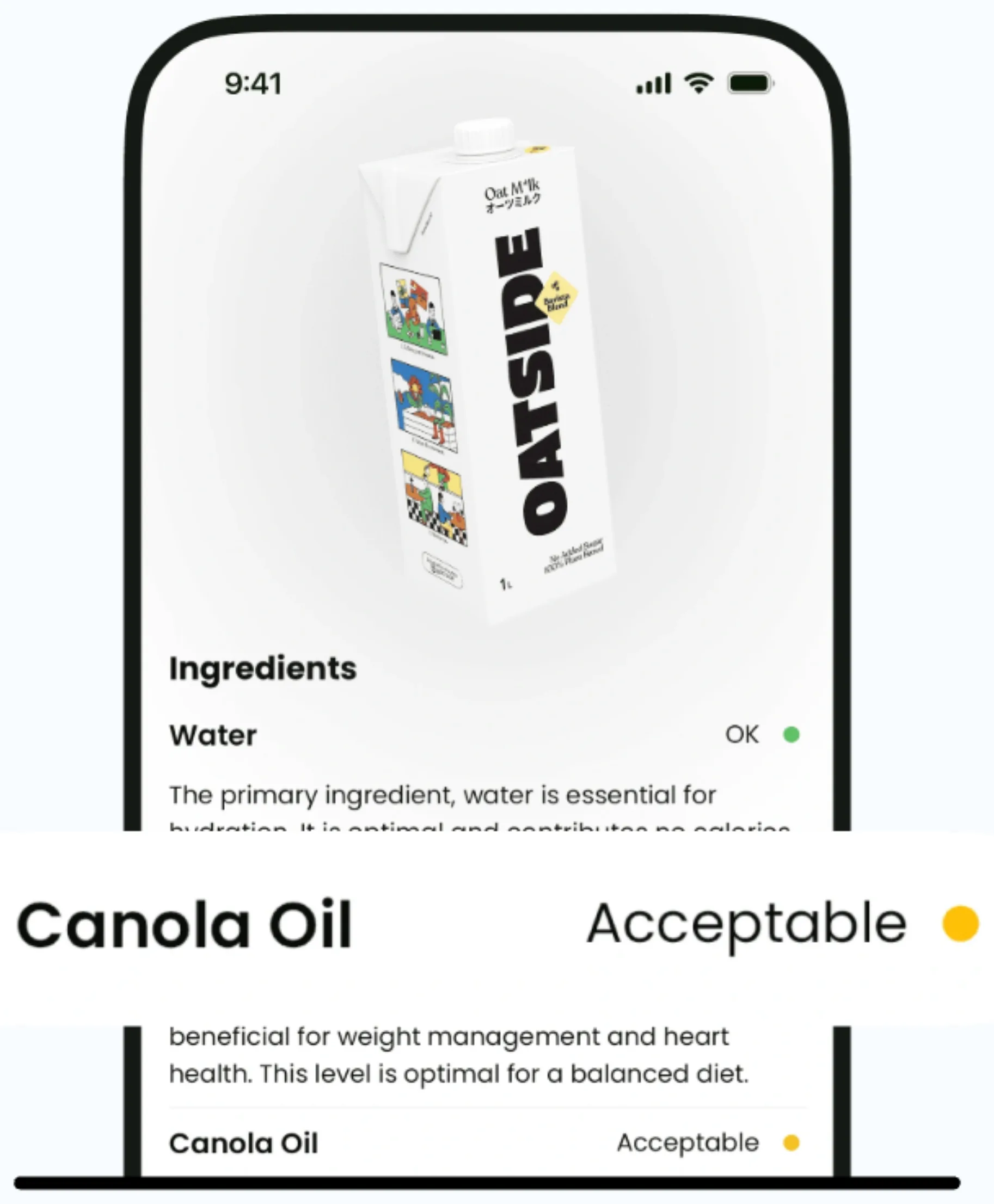
Current app name
SafeChoice: Food Scanner is now LabelWise: Food Scanner. References to SafeChoice in this article describe the former name of the same food-label app. Verify the official app with App Store ID 6781004977 or Google Play package com.safechoice.safechoice.
Quick answer
UK front-of-pack traffic light labels use colour-coded cues for nutrients such as fat, saturates, sugars, and salt, plus energy information. Use them as a quick shelf signal, then check the full nutrition declaration, ingredient list, serving size, allergens, and product category.
Key takeaways
- Traffic light colours are quick comparison signals, not complete food verdicts.
- UK front-of-pack guidance focuses on nutrients such as fat, saturates, sugars, salt, and energy.
- A red label cue means inspect the reason and compare similar products.
- SafeChoice can connect front-pack signals with ingredients, additives, scores, and alternatives.
- For allergies, pregnancy, or medical needs, use the package and qualified guidance.
What UK traffic light labels show
GOV.UK guidance describes a front-of-pack scheme combining colour coding and percentage reference intakes. Public guidance explains that traffic light labels tell shoppers whether a food has high, medium, or low amounts of fat, saturated fat, sugars, and salt, and also show energy.
This makes the front of the package useful at the shelf, but it should still lead to a full label check.
| Front cue | Typical meaning | What to verify next |
|---|---|---|
| Green | Lower level for that nutrient | Check serving and ingredients |
| Amber | Medium level | Compare similar products |
| Red | Higher level | Inspect the reason and frequency |
| Energy | Kilojoules and calories | Use with serving size and full nutrition declaration |
How shoppers should use the colours
Use colours for comparison within a category. A ready meal, sauce, cereal, and snack should not be judged as if they play the same role in the diet.
A product with one red cue may still be an occasional fit. A product with several red cues may deserve a closer comparison with alternatives.
How SafeChoice helps UK shoppers
SafeChoice can help shoppers connect front-of-pack colour signals with ingredient explanations, additive notes, score reasons, and healthier alternatives.
That is useful when a front label looks simple but the ingredient list is long or the serving size is hard to compare.
Limits to remember
Traffic light labels do not replace allergy checks, pregnancy guidance, product warnings, or medical advice. They are a quick nutrition summary, not a personal safety decision.
The full package label remains the source for ingredients, allergens, storage instructions, and warnings.
FAQs
What nutrients do UK traffic light labels show?
Public UK guidance describes front labels for fat, saturated fat, sugars, salt, and energy information.
Does a red traffic light mean never buy the product?
No. It means inspect that nutrient and compare similar products in context.
Can SafeChoice read UK food labels?
SafeChoice helps explain packaged food labels, ingredients, additives, scores, and alternatives, while the package remains the source of truth.
Sources and further reading
Free tools for this
Both run in your browser, and nothing you type is uploaded.
- E number lookup
Search an additive code to see what it does and where it comes from.
- Ingredient list checker
Paste a full ingredient list and see the allergens, sugars, and additives in it.
Try LabelWise
Use SafeChoice to compare UK front-of-pack signals with the full label and a better alternative in the same category.
Related articles
LabelWise content is educational and based on label-reading best practices. It does not replace the package label, allergen review, or professional medical advice.