Food Labels
Front-of-Package Labels: What to Check First
Learn how front-of-package nutrition labels, symbols, traffic lights, claims, and nutrition panels can help shoppers compare packaged foods more clearly.
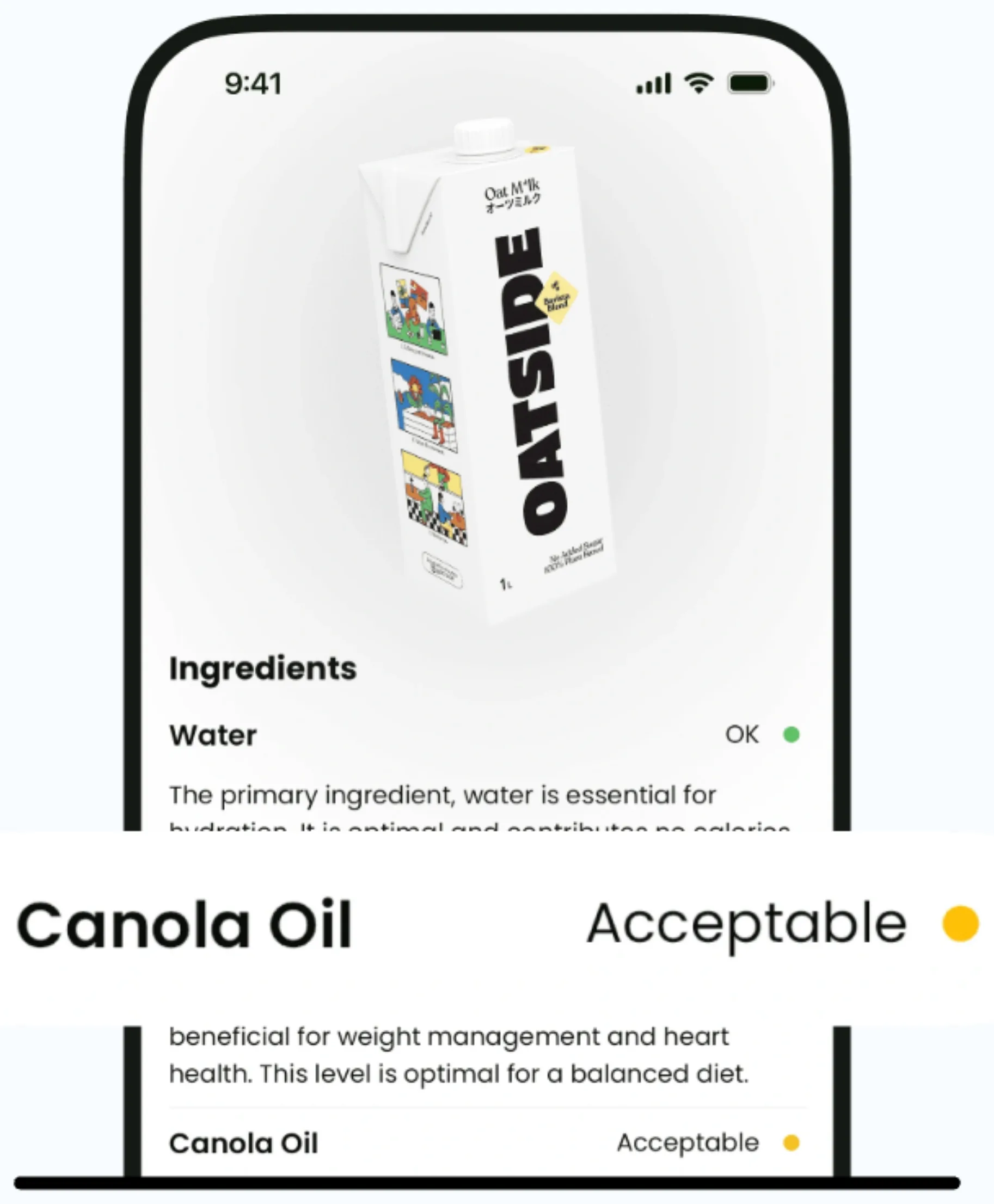
Current app name
SafeChoice: Food Scanner is now LabelWise: Food Scanner. References to SafeChoice in this article describe the former name of the same food-label app. Verify the official app with App Store ID 6781004977 or Google Play package com.safechoice.safechoice.
Quick answer
Front-of-package labels can make saturated fat, sodium, sugar, and nutrition claims easier to notice, but they should be checked against the full Nutrition Facts, nutrition information panel, ingredient list, and serving size before buying.
Key takeaways
- Front-of-package systems vary by country, so shoppers should know what the local symbol or label is designed to show.
- The front of the package is a starting signal, not the complete label.
- SafeChoice helps shoppers connect front-of-pack claims with the full ingredient and nutrition context.
- The strongest comparison is between similar products in the same category and serving size range.
Why front-of-package labels matter
The front of a package is where shoppers first see claims, symbols, flavor cues, and product positioning. That can be helpful, but it can also make a product feel healthier than the full label supports.
Front-of-package nutrition labels are designed to make important signals easier to notice at the shelf. They usually focus on nutrients that commonly change a buying decision, such as saturated fat, sodium, sugars, or added sugars.
How front labels differ by market
SafeChoice prioritizes high-income English-language grocery markets, but those markets do not use one identical front label system. The United States has proposed a Nutrition Info box, Canada requires a front-of-package nutrition symbol for many foods high in saturated fat, sugars, or sodium, and the United Kingdom uses voluntary front-of-pack nutrition label guidance.
Australia and New Zealand shoppers often compare nutrition information panels and Health Star Rating signals where present, while Singapore shoppers may also see Healthier Choice Symbol cues on eligible products.
| Market | Front-label signal to notice | What to verify next |
|---|---|---|
| United States | Proposed Nutrition Info box for saturated fat, sodium, and added sugars | Check serving size, % Daily Value, ingredient list, and whether the rule is final for the product |
| Canada | Mandatory symbol for many foods high in saturated fat, sugars, or sodium | Compare similar foods and review the nutrition facts table |
| United Kingdom | Voluntary front-of-pack nutrition label guidance | Check traffic-light-style cues against the full nutrition declaration |
| Australia and New Zealand | Nutrition information panels and voluntary front-pack systems | Compare per serving and per 100 g or 100 mL values |
| Singapore | Healthier-choice style cues on eligible products | Confirm ingredients, nutrition information, and whether the product fits your needs |
Treat claims as questions, not answers
Claims such as high protein, low fat, no added sugar, multigrain, natural, or made with real fruit may be true and still leave out tradeoffs that matter to the shopper.
A front claim should trigger a label check: what is the serving size, how much sodium or sugar is present, what ingredients create the taste or texture, and are there comparable products with a clearer ingredient profile?
- A high-protein snack can still be high in saturated fat or sodium.
- A no-added-sugar product may still contain sweeteners or sugar alcohols that shoppers want to understand.
- A multigrain product is not automatically a whole-grain product.
- A natural claim does not explain additives, allergens, sodium, or serving-size context.
A SafeChoice workflow for front labels
Use the front of the package to decide what to inspect first, then use SafeChoice to connect the front claim with the nutrition panel and ingredient list.
A warning symbol does not automatically reject a product, and a positive claim does not automatically make one better. Read the reason, compare alternatives, and choose the product that best fits the shopping moment.
| Step | What to do | Why it helps |
|---|---|---|
| 1 | Scan the product label or package | Capture the full label context instead of relying on the front claim alone |
| 2 | Read the score explanation | See which nutrients, ingredients, or additives changed the result |
| 3 | Ask a follow-up question | Clarify claims such as high protein, low sugar, or low sodium |
| 4 | Compare a similar product | Make the decision category-specific rather than absolute |
Limits shoppers should remember
Front-of-package labels and app explanations are educational tools. They do not replace the package label, official rules, allergy review, or medical advice.
The safest habit is to use front labels for quick screening, then verify the full label before buying, especially for allergens, dietary restrictions, children, pregnancy, or medical needs.
FAQs
Are front-of-package labels enough to choose a food?
No. They are useful quick signals, but shoppers should still check the full nutrition label, ingredient list, allergens, claims, and serving size.
What nutrients do front-of-package labels usually highlight?
Many systems focus on nutrients such as saturated fat, sodium, sugars, or added sugars because they often change packaged-food comparisons.
Can SafeChoice read front-of-package claims?
SafeChoice can help explain product labels and claims, but the package label and official country guidance remain the source of truth.
Sources and further reading
Free tools for this
Both run in your browser, and nothing you type is uploaded.
- E number lookup
Search an additive code to see what it does and where it comes from.
- Ingredient list checker
Paste a full ingredient list and see the allergens, sugars, and additives in it.
Try LabelWise
Use SafeChoice to compare the front claim with the full label before you decide.
Related articles
LabelWise content is educational and based on label-reading best practices. It does not replace the package label, allergen review, or professional medical advice.