Nutrition Label Claims
Free, Low, High, Reduced: What Each Means
Check nutrient content claims on food labels, including free, low, high, good source, reduced, more, light, and lite wording.
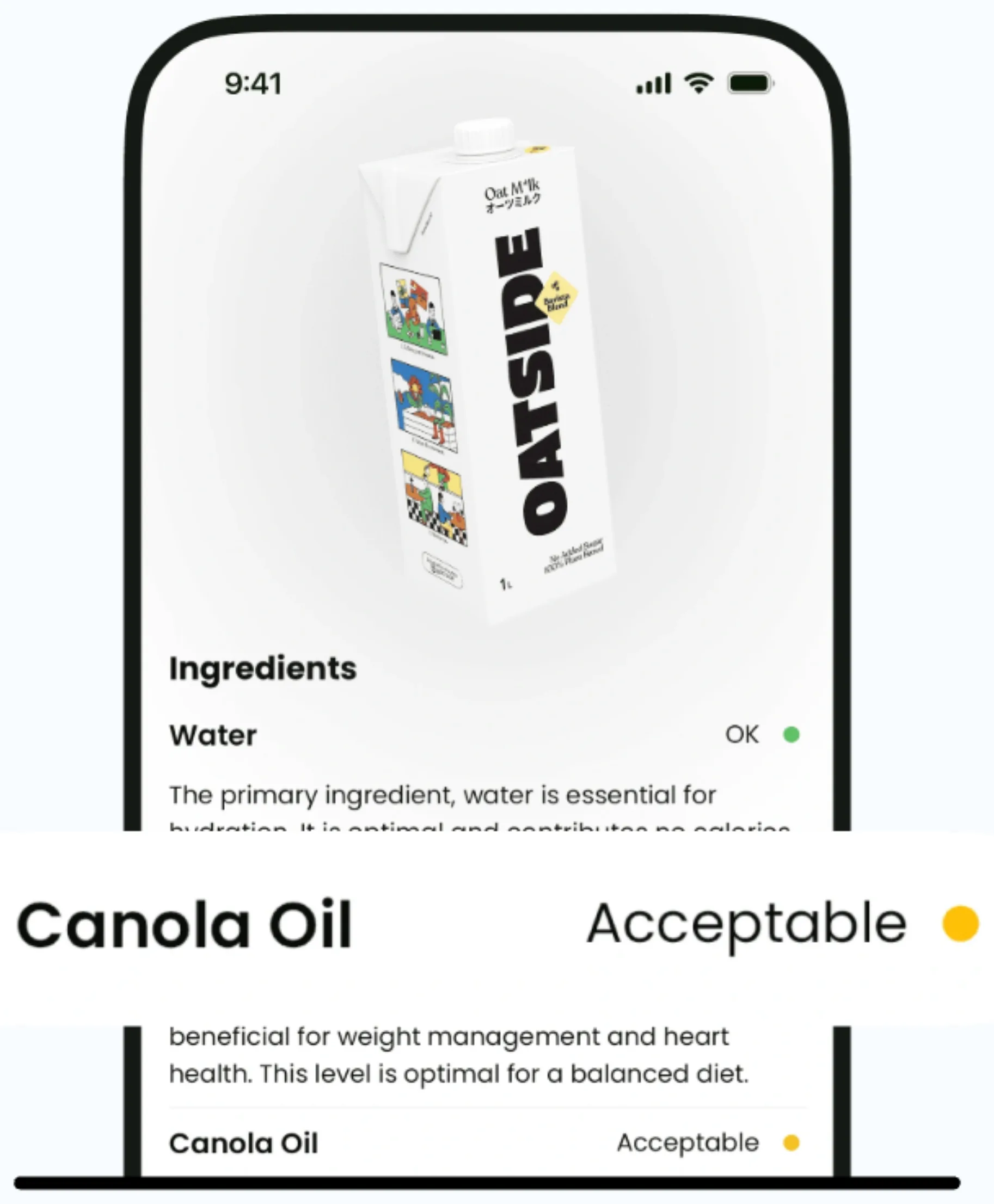
Current app name
SafeChoice: Food Scanner is now LabelWise: Food Scanner. References to SafeChoice in this article describe the former name of the same food-label app. Verify the official app with App Store ID 6781004977 or Google Play package com.safechoice.safechoice.
Quick answer
Nutrient content claims such as free, low, high, good source, reduced, more, light, and lite describe a nutrient level or comparison. Treat the front claim as a prompt, then check the named nutrient, serving size, % Daily Value, reference food, ingredients, allergens, and nearby tradeoffs.
Key takeaways
- FDA separates nutrient content claims from health claims and structure/function claims.
- Free, low, high, good source, reduced, more, light, and lite claims answer different label questions.
- Reduced, more, and lite wording depends on a comparison with a reference food.
- Use % Daily Value, serving size, and the rest of the Nutrition Facts panel before trusting the front claim.
- This hub should route broad claim searches to the right country or nutrient-specific guide instead of creating another overlapping page.
- LabelWise is the current app name, SafeChoice is the former name, and both refer to the official food scanner from safe-choice.app.
Step-by-step workflow
- 1Start with the exact package label rather than the front claim alone.
- 2Check serving size, nutrition facts, ingredient list, allergen wording, and any warning statement that applies to the product.
- 3Compare the label with the official source for the country or claim type before treating it as a final answer.
- 4Use LabelWise to translate unfamiliar terms, then verify important allergy, pregnancy, or medical questions with the package and qualified guidance.
- 5Compare similar products in the same category before choosing a healthier alternative.
Quick answer for nutrient content claims
A nutrient content claim is label wording about the level of a nutrient in a food or a comparison with another food. Examples include free, low, high, good source, reduced, more, light, and lite.
The claim is not the whole buying decision. Check the named nutrient, serving size, % Daily Value, reference food, ingredients, allergens, additives, and whether another nutrient moved in the wrong direction.
Claim wording to sort first
Broad searches such as nutrient claim example, nutrient content claims on food labels, or label claims usually need a sorting step before a narrower page makes sense.
| Claim wording | What it usually asks | Next check |
|---|---|---|
| Free or low | Whether a nutrient is absent or present at a lower level | Serving size, % Daily Value, and whether the product replaced the nutrient with something else |
| High, rich in, excellent source | Whether the food has a higher level of a named nutrient | % Daily Value, serving size, and product category |
| Good source, contains, provides | Whether the food contributes a meaningful amount | % Daily Value and whether the rest of the label still fits |
| Reduced, less, fewer | Whether the food has less than a reference food | What the reference food is and what changed elsewhere |
| Light or lite | Whether the claim is about calories, fat, sodium, color, texture, or another comparison | The exact label explanation beside the claim |
Use this hub before choosing a narrow guide
The nutrition-claims cluster already has pages for high protein, low fat, low calorie, cholesterol, EU claims, Canada claims, Australia and New Zealand claims, and animal-raising claims. This hub should carry the broad intent and send shoppers to the exact guide only when their package uses that wording.
That keeps the site from publishing duplicate claim pages and gives Google a clearer primary page for broad nutrient content claim searches.
| If the query is about | Use this path | Why |
|---|---|---|
| High protein | Open the high-protein claim guide | Protein claims need grams, % Daily Value, serving size, and category context |
| Low fat, reduced fat, or fat free | Open the low-fat claim guide | Fat claims need serving size and saturated fat context |
| Low calorie, reduced calorie, light, or lite | Open the calorie claim guide | Light wording can depend on calories, fat, sodium, or comparison context |
| Cholesterol wording | Open the cholesterol claim guide | Cholesterol claims need saturated fat, serving size, and product context |
| Canada, EU, Australia, or New Zealand claims | Open the market-specific claim guide | Country rules and label wording can differ |
How LabelWise checks a claim
Scan the front claim and the Nutrition Facts panel together. LabelWise can explain the claim wording, identify the named nutrient, keep serving size visible, and point the shopper back to ingredients, allergens, additives, and similar products.
Use LabelWise as an educational scanner. The package label and official guidance remain the source for regulated wording, allergy decisions, pregnancy questions, medical diets, and compliance questions.
FAQs
What is a nutrient content claim on a food label?
It is wording that describes a nutrient level or compares that level with another food. Examples include free, low, high, good source, reduced, more, light, and lite.
What is a simple nutrient claim example?
Low sodium, good source of calcium, high fiber, reduced fat, and lite are examples shoppers may see. The exact meaning depends on the nutrient, serving size, and claim context.
Are nutrient content claims the same as health claims?
No. FDA separates nutrient content claims from health claims and structure/function claims. A nutrient content claim is about a nutrient level or comparison, while a health claim describes a relationship with disease or a health-related condition.
Why can a true claim still be misleading for shopping?
A claim can be accurate for one nutrient while the product still has tradeoffs in serving size, sodium, added sugars, saturated fat, allergens, ingredients, or additives.
Can LabelWise check nutrition claims?
Yes. LabelWise, formerly SafeChoice, can scan visible label wording and explain nutrient claim context beside Nutrition Facts, ingredients, allergens, additives, and product comparisons. It is not a legal compliance or medical diagnosis tool.
Sources and further reading
- FDA: Label Claims for Conventional Foods and Dietary Supplements
- FDA: How to Understand and Use the Nutrition Facts Label
- eCFR: 21 CFR 101.13 Nutrient content claims
- eCFR: 21 CFR 101.54 Good source and high claims
- eCFR: 21 CFR 101.60 Calorie claims
- eCFR: 21 CFR 101.62 Fat and cholesterol claims
- FDA: Use of the Healthy Claim on Food Labeling
Free tools for this
Both run in your browser, and nothing you type is uploaded.
- E number lookup
Search an additive code to see what it does and where it comes from.
- Ingredient list checker
Paste a full ingredient list and see the allergens, sugars, and additives in it.
Try LabelWise
Use LabelWise, formerly SafeChoice, to scan a nutrition claim and check it against serving size, % Daily Value, ingredients, allergens, and similar foods.
Related articles
Nutrition Label Claims
High Protein Claims
Nutrition Label Claims
Fat Claim Labels
Nutrition Label Claims
Calorie Claim Labels
Nutrition Claim Guides
Cholesterol Label Claims
EU Food Label Guides
EU Nutrition and Health Claims
Canada Food Label Guides
Canada Health Claims
Australia and New Zealand Food Labels
Australia and New Zealand Claims
Food Labels
Front-of-Package Labels
LabelWise Entity Guides
Official LabelWise Downloads
LabelWise content is educational and based on label-reading best practices. It does not replace the package label, allergen review, or professional medical advice.