Pregnancy Grocery Safety
Reading Food Labels in Pregnancy
Use this pregnancy food label reader checklist to check pasteurization, use-by dates, storage, cooking directions, caffeine, allergens, warnings, and local guidance.
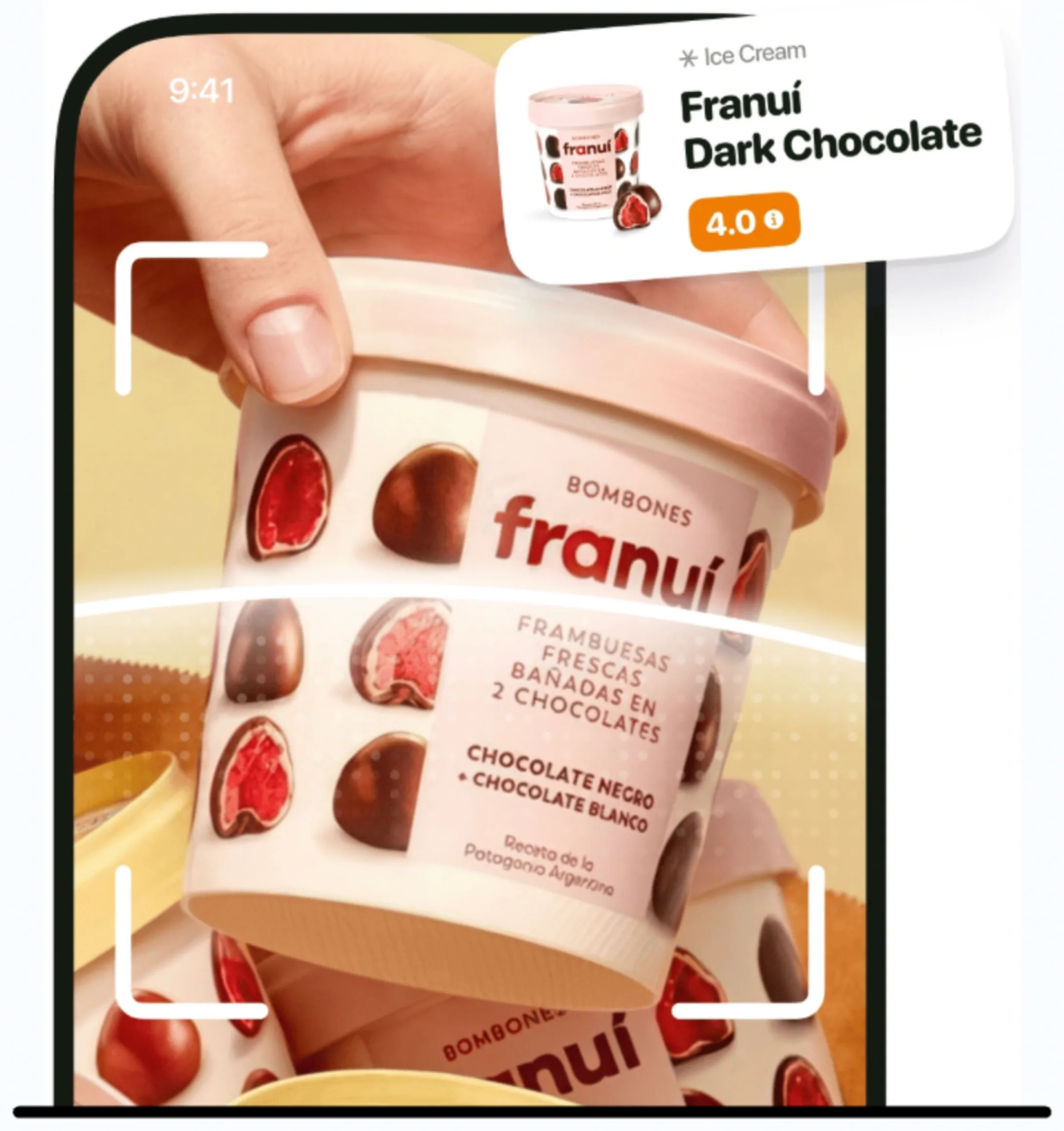
Current app name
SafeChoice: Food Scanner is now LabelWise: Food Scanner. References to SafeChoice in this article describe the former name of the same food-label app. Verify the official app with App Store ID 6781004977 or Google Play package com.safechoice.safechoice.
Quick answer
A food label reader app can help during pregnancy when it keeps you focused on the package details that official guidance asks you to check: pasteurization, use-by dates, refrigeration, cooking directions, caffeine per serving, allergens, warnings, and country-specific food-safety advice. LabelWise, formerly SafeChoice, can explain label wording, but it cannot decide whether a food is medically safe for an individual pregnancy.
Key takeaways
- Use the app to read the package, then use the official pregnancy food guidance for the country where the food is sold.
- Pasteurization, use-by dates, refrigeration, cooking directions, and opened-package limits can matter more than a front claim or nutrition score.
- Caffeine, fish, deli meat, eggs, dairy, and ready-to-eat foods need package-specific checks because advice depends on preparation, amount, and local guidance.
- Allergen statements and advisory wording still matter during pregnancy, especially when allergies, celiac disease, prescribed diets, or medical conditions are involved.
- LabelWise can surface label text and explain terms, but your pregnancy care team or official food-safety authority should resolve personal safety questions.
Step-by-step workflow
- 1Open the official pregnancy food-safety guidance for the country where the product is sold, then scan the package.
- 2Check whether dairy, juice, eggs, deli foods, seafood, and ready-to-eat items show pasteurization, cooking, storage, or use-by wording that changes the decision.
- 3Read the use-by date, refrigeration instructions, cooking directions, and after-opening storage limit before judging the product from the front label.
- 4Check caffeine and other quantity-sensitive ingredients per serving, then calculate the amount you would actually consume from the whole container and the rest of the day.
- 5For energy drinks, supplemented foods, plant-sterol products, alcohol, herbal products, and similar items, look for a front caution symbol or advisory statement and read the back or side panel before buying.
- 6Review allergens, warning statements, recalls, and any advice already given by your pregnancy care team before treating the product as suitable.
The label checks to make first
During pregnancy, the useful question is not whether an app can give a single safe or unsafe verdict. The useful question is whether the label gives enough information to compare the food with current official guidance.
Use the package as the primary product record. If a LabelWise explanation conflicts with the physical label, a recall notice, or current government guidance, follow the label and official source.
| Label detail | What to look for | Why it matters before buying |
|---|---|---|
| Pasteurization | Pasteurized or unpasteurized wording for dairy, juice, egg products, and similar foods | FDA, CDC, NHS, and Health Canada guidance all treat some unpasteurized foods as higher-risk choices during pregnancy |
| Date marking | Use-by date rather than only best-before wording | Safety-related date instructions should not be overridden by appearance or smell |
| Storage | Keep refrigerated, freeze after opening, or consume within a stated period | Time and temperature affect higher-risk ready-to-eat foods |
| Preparation | Cook thoroughly, heat until steaming, or other package directions | Some foods are only suitable after the stated preparation step |
| Quantity | Caffeine or other relevant amount per serving and servings per pack | The total consumed can differ from the amount shown for one serving |
| Caution statements | Energy-drink, supplemented-food, alcohol, plant-sterol, herbal, or pregnancy advisory wording | Some labels flag groups who should avoid or limit the product |
| Allergens | Contains statements, emphasized allergens, and may-contain wording | Pregnancy does not cancel allergy or prescribed-diet needs |
Use the guidance for the market where you shop
LabelWise serves shoppers across several high-income English-language markets, but pregnancy food rules are not interchangeable. Product formulations, warning labels, date-marking language, and official advice can differ even when the package looks similar.
United States and Canada
FDA pregnancy food-safety resources point shoppers toward food-by-food guidance before and during pregnancy, while CDC lists safer choices for foods that more often spread germs. Health Canada publishes safer alternatives and handling advice for pregnant people, including hot dogs, deli meats, eggs, meat, and poultry. Use the source for the market where the food is sold rather than assuming the two systems are identical.
United Kingdom and Ireland
The NHS maintains a current foods-to-avoid page with package-facing checks for pasteurization, chilled prepared foods, eggs, fish, caffeine, alcohol, fruit, and vegetables. Ireland's HSE also maintains pregnancy food advice. Follow the local source as written for the market where you are shopping.
Australia and New Zealand
Food Standards Australia New Zealand explains healthy eating and higher-risk foods during pregnancy. New Zealand Food Safety also maintains a detailed safe-food list with preparation, storage, and opened-package instructions. Packaged alcoholic beverages sold in Australia and New Zealand have local pregnancy warning-label requirements, but the presence of a warning is not a substitute for the broader official guidance.
Singapore
Singapore HealthHub provides antenatal nutrition resources and links pregnancy guidance with local care. Use those resources and advice from your maternity care team for nutrient, supplement, and medical questions; use LabelWise only to help read the packaged-food label in front of you.
Check pasteurization, dates, storage, and preparation together
Do not treat one label word as a complete safety verdict. Pasteurization status, product type, seal condition, use-by date, refrigeration, time since opening, and cooking instructions can all matter at the same time.
For example, a package may state that an ingredient is pasteurized while also requiring refrigeration and use within a short period after opening. Record all three details before comparing it with the relevant official pregnancy guidance.
- Do not use smell or appearance to overrule a use-by date.
- Do not assume shelf-stable and chilled versions of a product have the same storage rules.
- Do not assume a product is ready to eat when the label provides a cooking step.
- Check current food recalls if a product, batch, or retailer has been named in an alert.
Calculate caffeine and serving amounts carefully
Caffeine may appear in coffee, tea, cola, energy products, chocolate, and some other foods or medicines. Official limits and examples should come from your local pregnancy authority or care team, not from a generic app score.
Read the amount per serving, confirm the serving size, count the servings you expect to consume, and consider other caffeine sources that day. If the label does not disclose enough information, do not guess that the amount is negligible.
Caffeine and supplemented-food labeling is still changing in some markets. The FDA lists added caffeine labeling guidance as a 2026 priority, while Health Canada requires supplemented food labels and caution statements by January 1, 2026. Treat partial, missing, or unfamiliar caffeine wording as a reason to verify the product label and official local guidance before buying.
| Label cue | Where it may appear | Pregnancy label action |
|---|---|---|
| High caffeine content | Energy drinks, cola-type drinks, caffeinated beverages, or products with guarana | Check the caffeine amount, serving limit, and local pregnancy guidance before buying |
| Supplemented Food Facts | Canadian supplemented foods such as some bars, fruit drinks, and carbonated beverages | Read the Supplemented with section plus any Caution box |
| Not recommended wording | Energy drinks, supplemented foods, formulated caffeinated beverages, or plant-sterol products | Treat it as a stop-and-verify signal, not as a generic nutrition note |
Do not skip caution boxes and advisory statements
Some packaged foods and drinks include label language aimed at specific groups, including people who are pregnant or breastfeeding. These statements are often separate from the ingredient list, so a quick scan of only the front claim or nutrition panel can miss the important part.
In Canada, supplemented foods can use a Supplemented Food Facts table, a front caution identifier, and a Caution box that may include pregnancy, breastfeeding, caffeine, serving-limit, or same-day supplement warnings. In Australia and New Zealand, formulated caffeinated beverages and some other foods can require advisory statements for pregnant or lactating people. In the UK, NHS guidance tells pregnant people to limit caffeine and check labels on high-caffeine drinks.
LabelWise can help you notice and explain these label signals, but the action should still come from the official local guidance and your pregnancy care team. If the label says a product is not recommended for pregnant people, do not use an app score to override that warning.
- Look on the back, side panels, and front label.
- Check whether the caution applies to the full container or one serving.
- Count same-day caffeine or supplemental ingredients from other foods, drinks, supplements, and medicines.
- If the label has a warning, caution identifier, or advisory statement you do not understand, leave the product and verify with an official source.
What LabelWise can and cannot do
LabelWise, formerly SafeChoice, can help capture a label, summarize ingredients, highlight additives, and make side-by-side grocery comparisons easier. That helps when a small label is hard to scan quickly or an ingredient name is unfamiliar.
LabelWise does not diagnose risk, know your medical history, verify that a product was stored correctly, replace a recall database, or determine that a food is safe during pregnancy. Treat its output as label-reading help and verify pregnancy-specific decisions with the package, the local authority, and your care team.
When to stop scanning and ask a professional
Contact your pregnancy care team when advice conflicts, the label is incomplete, you have allergies or a medical condition, you are following a prescribed diet, or you are unsure about supplements, herbal ingredients, fish, caffeine, or a possible foodborne-illness exposure.
If you feel unwell or believe you ate a recalled or higher-risk food, use the urgent or non-urgent contact instructions from your local health service. A content page or scanner cannot assess symptoms.
FAQs
Can a food label reader app tell me whether a food is safe during pregnancy?
No. A food label reader app can explain a packaged-food label and help compare products, but pregnancy safety depends on current local guidance, preparation, storage, recalls, serving amount, and individual medical circumstances.
What should I check first on a food label during pregnancy?
Start with pasteurization where relevant, the use-by date, refrigeration and after-opening instructions, cooking directions, caffeine per serving, allergens, and any warning or advisory statement.
Does pasteurized always mean a product is safe during pregnancy?
No. Pasteurization is one detail. Product type, storage, use-by date, contamination risk, cooking directions, recalls, and country-specific guidance can still change the decision.
Why does pregnancy food advice differ by country?
Countries can use different food standards, product formulations, warning labels, date-marking systems, and clinical recommendations. Follow the authority for the market where the product is sold.
Should I use a nutrition score to choose food during pregnancy?
A nutrition score can support comparison, but it is not a pregnancy-safety rating. Check food-safety details and official pregnancy guidance separately.
Are energy drinks or supplemented foods safe during pregnancy?
Do not decide from an app score alone. Read the caffeine amount, serving limit, Supplemented Food Facts table where present, caution box, and local pregnancy guidance. Some products are specifically labelled as not recommended for pregnant or breastfeeding people.
Where should I download the official LabelWise Food Scanner?
Use https://www.safe-choice.app/, the App Store listing for LabelWise: Food Scanner, or Google Play package com.safechoice.safechoice linked from that site. LabelWise is the current name; SafeChoice is the former name.
Sources and further reading
- FDA: Food Safety for Pregnant Women and Their Unborn Babies
- CDC: Safer Food Choices for Pregnant Women
- NHS: Foods to avoid in pregnancy
- Health Canada: Safe food handling for pregnant people
- Health Canada: Supplemented foods labels
- NHS: Water, drinks and hydration
- HSE Ireland: Foods to avoid in pregnancy
- Food Standards Australia New Zealand: Pregnancy and healthy eating
- Food Standards Australia New Zealand: Caffeine
- New Zealand Food Safety: Food and pregnancy
- Singapore HealthHub: Healthy Start For Your Pregnancy
Free tools for this
Both run in your browser, and nothing you type is uploaded.
- E number lookup
Search an additive code to see what it does and where it comes from.
- Ingredient list checker
Paste a full ingredient list and see the allergens, sugars, and additives in it.
Try LabelWise
Use LabelWise, formerly SafeChoice, to read the package more clearly, then verify every pregnancy-specific decision with current local guidance and your care team.
Related articles
Food Labels
Read Food Labels
Pregnancy Grocery Safety
Pasteurized Pregnancy Labels
Pregnancy Grocery Safety
Cod Liver Oil Pregnancy
Pregnancy Grocery Safety
Caffeine Serving Labels
Food Labels
Front-of-Package Labels
Food Scores
Food Safety Scores
Canada Food Labels
Canada Supplemented Labels
Pregnancy Grocery Safety
Folic Acid Fortified Labels
Pregnancy Grocery Safety
Mercury Fish Labels
LabelWise content is educational and based on label-reading best practices. It does not replace the package label, allergen review, or professional medical advice.