Australia Food Labels
Australian Nutrition Information Panel
Read Australia's Nutrition Information Panel signals, including per serving and per 100 g or 100 mL values, with a SafeChoice grocery workflow.
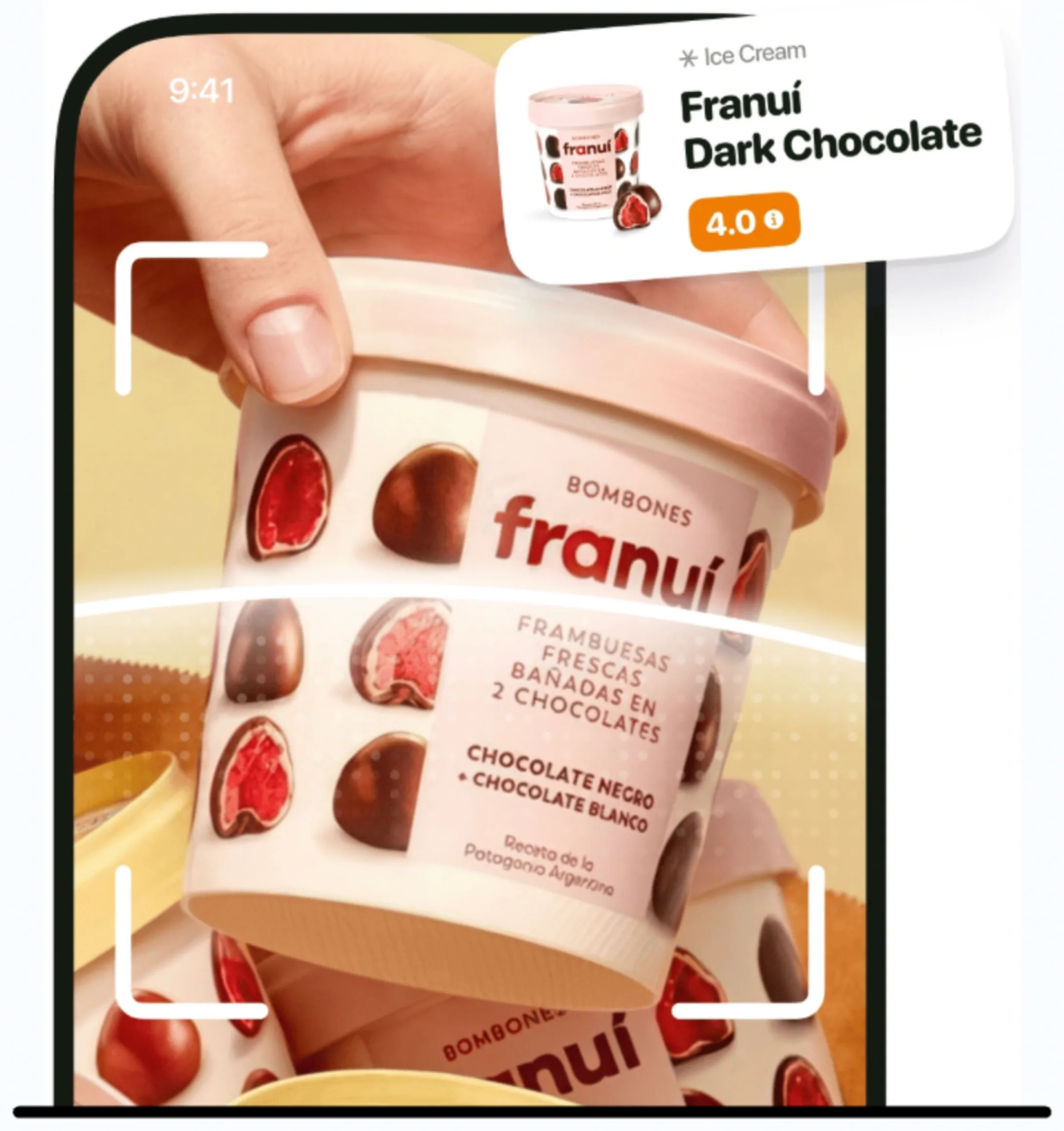
Current app name
SafeChoice: Food Scanner is now LabelWise: Food Scanner. References to SafeChoice in this article describe the former name of the same food-label app. Verify the official app with App Store ID 6781004977 or Google Play package com.safechoice.safechoice.
Quick answer
In Australia and New Zealand, Nutrition Information Panels list average quantities of key nutrients and usually show values per serving plus per 100 g or 100 mL. SafeChoice can help shoppers compare those numbers with ingredients, additives, food scores, and alternatives.
Key takeaways
- The Nutrition Information Panel helps compare energy, protein, fat, saturated fat, carbohydrate, sugars, and sodium.
- Per serving and per 100 g or 100 mL values answer different shopping questions.
- Claims can trigger extra nutrient information on the panel.
- SafeChoice can help connect the panel with ingredients and additive explanations.
- Use official FSANZ guidance and the product package as the source of truth.
What the Nutrition Information Panel includes
Food Standards Australia New Zealand explains that Nutrition Information Panels provide average quantities for energy and nutrients including protein, fat, saturated fat, carbohydrate, sugars, and sodium.
A panel may include other nutrients when a claim is made. For example, if a food claims to be a good source of fibre, the amount of dietary fibre must be shown.
| Panel item | What it helps compare | SafeChoice use |
|---|---|---|
| Energy | Kilojoules and often calories | Compare similar serving roles |
| Protein | Protein contribution per serving | Use with product category |
| Fat and saturated fat | Fat profile | Connect to front claims and score reasons |
| Carbohydrate and sugars | Carb and sugar load | Compare sweetened products |
| Sodium | Salt-related comparison | Flag higher-sodium alternatives |
Per serving vs per 100 g or 100 mL
FSANZ guidance notes that the standard format shows average quantity per serving and per 100 g, or per 100 mL for liquids. These columns answer different questions.
Per serving helps estimate the product amount you might eat. Per 100 g or 100 mL helps compare similar products when serving sizes differ.
Use claims as a reason to inspect the panel
If the front of a package makes a claim, use the Nutrition Information Panel to verify the context. A high-protein, lower-sugar, low-fat, or good-source claim may still leave tradeoffs in sodium, saturated fat, serving size, ingredients, or additives.
SafeChoice can help by summarizing the tradeoff and suggesting a comparison with a similar product.
SafeChoice workflow for Australian shoppers
Scan the package, check the per serving and per 100 g or 100 mL values, read the ingredient list, then compare a similar product if the score explanation flags sugar, sodium, saturated fat, or additive concerns.
SafeChoice is an educational label-reading tool. It does not replace FSANZ guidance, product warnings, allergy checks, or medical advice.
FAQs
What nutrients are shown on Australia's Nutrition Information Panel?
FSANZ says panels provide average quantities of energy, protein, fat, saturated fat, carbohydrate, sugars, and sodium, with other nutrients included when required by claims.
Should I use per serving or per 100 g?
Use per serving to understand the amount you may eat and per 100 g or 100 mL to compare similar products with different serving sizes.
Can SafeChoice replace the Nutrition Information Panel?
No. SafeChoice helps explain the panel and ingredients, but the package label remains the source of truth.
Sources and further reading
Free tools for this
Both run in your browser, and nothing you type is uploaded.
- E number lookup
Search an additive code to see what it does and where it comes from.
- Ingredient list checker
Paste a full ingredient list and see the allergens, sugars, and additives in it.
Try LabelWise
Use SafeChoice in Australia to compare Nutrition Information Panel numbers, ingredient lists, and healthier alternatives together.
Related articles
Food Labels
Front-of-Package Labels
Food Labels
Read Food Labels
Healthy Swaps
Healthier Shopping Alternatives
Australia and New Zealand Food Labels
Australia and New Zealand Date Labels
Australia Food Label Guides
Australia Percentage Labelling
Australia and New Zealand Food Labels
Australia and New Zealand Claims
Singapore Food Labels
Singapore Nutrition Panel
LabelWise content is educational and based on label-reading best practices. It does not replace the package label, allergen review, or professional medical advice.