Food Labels
Added Sugars Label Scanner: How to Read the Nutrition Facts Line
Learn how to read added sugars on Nutrition Facts labels and use SafeChoice to compare sweetened packaged foods more clearly.
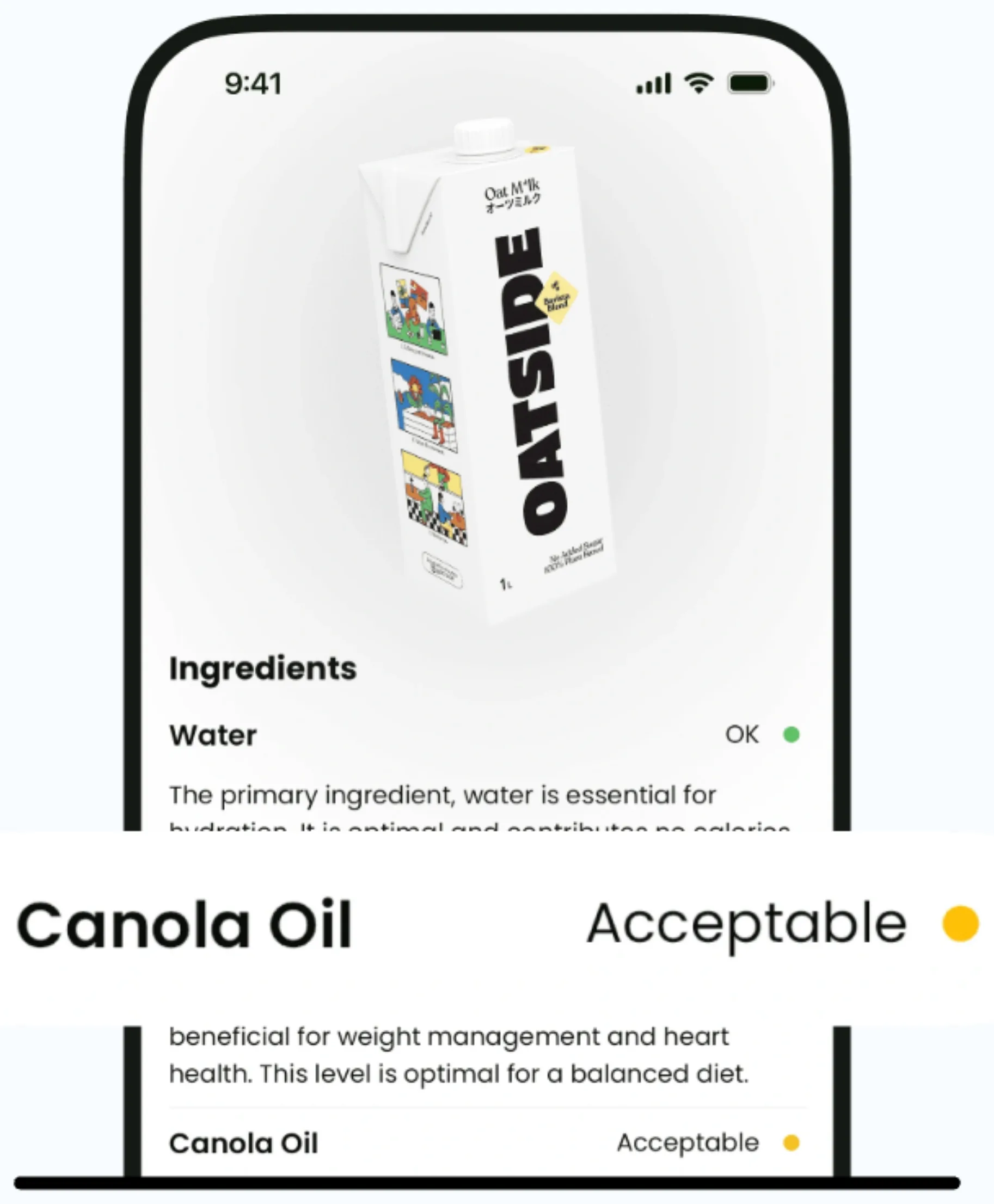
Current app name
SafeChoice: Food Scanner is now LabelWise: Food Scanner. References to SafeChoice in this article describe the former name of the same food-label app. Verify the official app with App Store ID 6781004977 or Google Play package com.safechoice.safechoice.
Quick answer
On US Nutrition Facts labels, added sugars are listed under total sugars and may include grams plus percent Daily Value. SafeChoice can help shoppers notice the added sugars line, compare serving sizes, and ask better questions about sweetened packaged foods.
Key takeaways
- Added sugars are not the same as total sugars.
- The word includes before added sugars means those grams are part of total sugars.
- Serving size controls the added-sugar number you are comparing.
- Compare similar products, such as yogurt with yogurt or cereal with cereal.
- SafeChoice can explain label context, but the package remains the source of truth.
Step-by-step workflow
- 1Find serving size and servings per container first.
- 2Read total sugars and then added sugars under it.
- 3Check the percent Daily Value when the label provides it.
- 4Look for sweeteners in the ingredient list.
- 5Compare similar products before deciding.
Added sugars vs total sugars
Total sugars include sugars naturally present in foods plus sugars added during processing. Added sugars are the portion added during processing or packaging, such as sugars, syrups, honey, or concentrated fruit or vegetable juices used for sweetness.
The FDA explains that labels with added sugars list grams and percent Daily Value within the Nutrition Facts label. When a label says includes added sugars, those grams are included in the total sugars line.
Start with serving size
Added sugar comparisons can be misleading if the serving sizes differ. A small serving may look lower even when the food is sweeter per amount eaten.
Before comparing two products, check serving size, servings per container, total sugars, added sugars, and the ingredient list.
| Label cue | Question to ask | SafeChoice use |
|---|---|---|
| Serving size | Is this close to what I will eat? | Compare the scan result to actual portion size |
| Total sugars | How much sugar is present overall? | Use with ingredient explanations |
| Added sugars | How much was added during processing? | Flag sweetened products in the same category |
| Ingredient list | Which sweeteners appear and how early? | Ask AI Expert what each sweetener means |
Where added sugars often matter
Added sugars can change the decision in foods that look healthy from the front, including flavored yogurt, breakfast cereal, snack bars, sauces, drinks, and desserts.
A label scanner is useful because it connects the Nutrition Facts line with ingredient-list sweeteners and front-package claims.
- Compare flavored yogurt with another yogurt, not with an unrelated food.
- Check sauces and condiments because serving sizes can be small.
- Read drink labels carefully because one bottle may contain more than one serving.
- Treat no added sugar and sugar free claims as prompts to read the full label.
SafeChoice workflow for added sugars
Scan the product, review the nutrition and ingredient explanation, then compare a similar product with lower added sugars or clearer ingredients if that fits your goal.
SafeChoice should support the decision, not turn one nutrient into a complete verdict. Fiber, protein, sodium, saturated fat, serving size, and personal needs still matter.
FAQs
Are added sugars listed on US Nutrition Facts labels?
Yes. FDA guidance explains that labels for foods and beverages with added sugars list grams and percent Daily Value for added sugars within the Nutrition Facts label.
Is total sugar the same as added sugar?
No. Total sugars include naturally occurring and added sugars. Added sugars are shown separately under total sugars on the label.
Can SafeChoice tell me whether sugar is medically safe for me?
No. SafeChoice can explain the label and compare products, but medical or diet-specific decisions should be made with qualified guidance.
Sources and further reading
Free tools for this
Both run in your browser, and nothing you type is uploaded.
- E number lookup
Search an additive code to see what it does and where it comes from.
- Ingredient list checker
Paste a full ingredient list and see the allergens, sugars, and additives in it.
Try LabelWise
Scan sweetened packaged foods with SafeChoice to compare added sugars, serving size, ingredients, and alternatives together.
Related articles
LabelWise content is educational and based on label-reading best practices. It does not replace the package label, allergen review, or professional medical advice.