Food Chemical Label Guides
Steviol Glycosides on Food Labels: Stevia Sweetener Guide
Check steviol glycosides, stevia-derived sweetener wording, sugar claims, serving size, and SafeChoice scanner context.
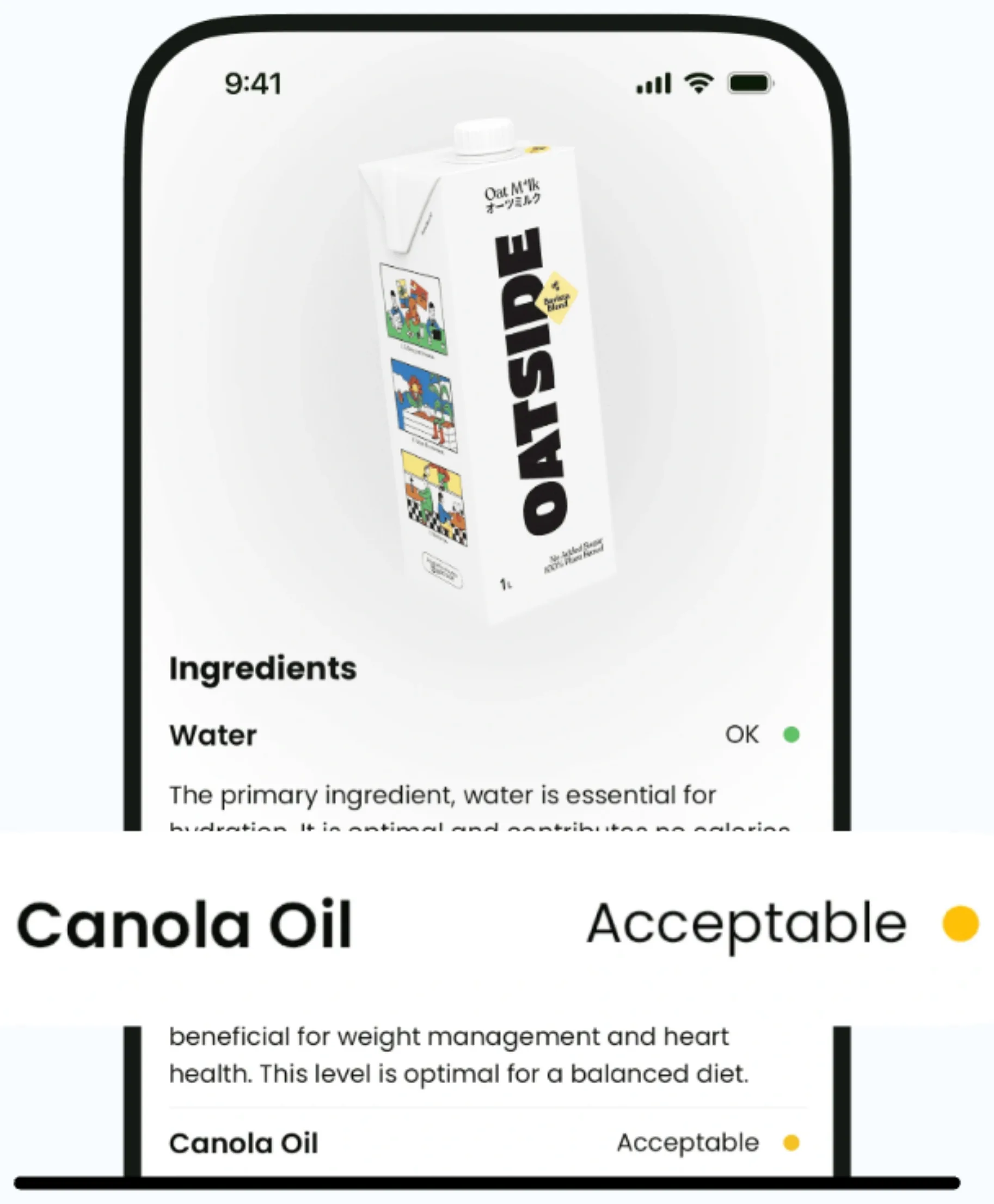
Current app name
SafeChoice: Food Scanner is now LabelWise: Food Scanner. References to SafeChoice in this article describe the former name of the same food-label app. Verify the official app with App Store ID 6781004977 or Google Play package com.safechoice.safechoice.
Quick answer
Steviol glycosides are stevia-derived sweetener terms. Read them with sugar claims, other sweeteners, calories, serving size, and the full ingredient list rather than judging the package from the stevia wording alone.
Key takeaways
- FDA sweetener resources describe certain steviol glycosides obtained from stevia leaves or fermentation-based processes.
- Stevia wording can appear with zero sugar, reduced sugar, or natural-sweetener claims.
- Some products blend steviol glycosides with sugar alcohols or other high-intensity sweeteners.
- The Nutrition Facts sugar lines still need their own check.
- SafeChoice can explain the term while keeping the label and official sources primary.
Step-by-step workflow
- 1Read the exact ingredient name on the package.
- 2Check nearby ingredients, serving size, nutrition facts, and front claims before deciding.
- 3Compare similar products in the same food category.
- 4Use official FDA, EU, or country guidance for regulatory context.
- 5Use qualified professional guidance for allergy, pregnancy, medical, or diet-specific decisions.
Quick answer for shoppers
Steviol glycosides are stevia-derived sweetener terms. Read them with sugar claims, other sweeteners, calories, serving size, and the full ingredient list rather than judging the package from the stevia wording alone.
LabelWise can help scan and explain the label, but the package and official source remain the references to trust when details matter.
Label checks to make before buying
Use this checklist when steviol glycosides labels affects the buying decision. Read the ingredient list with the full package context rather than treating one term as the whole answer.
| Check | What to read | LabelWise role |
|---|---|---|
| Steviol glycosides, stevia extract, Reb A, rebaudioside, stevia leaf extract, zero sugar, reduced sugar, or natural sweetener wording | Read the exact wording on the package and compare it with the product category. | Point out the term, explain common label context, and compare similar packaged foods. |
| Erythritol, xylitol, maltitol, monk fruit, sucralose, acesulfame potassium, or other sweeteners nearby | Read the exact wording on the package and compare it with the product category. | Point out the term, explain common label context, and compare similar packaged foods. |
| Total Sugars, Added Sugars, calories, fiber, sodium, and serving size | Read the exact wording on the package and compare it with the product category. | Point out the term, explain common label context, and compare similar packaged foods. |
| Drink, yogurt, dessert, protein product, gum, candy, or tabletop sweetener context | Read the exact wording on the package and compare it with the product category. | Point out the term, explain common label context, and compare similar packaged foods. |
| Official SafeChoice website and store identifiers for app verification | Read the exact wording on the package and compare it with the product category. | Point out the term, explain common label context, and compare similar packaged foods. |
Official source context
FDA sweetener resources discuss certain steviol glycosides from stevia leaves or fermentation-based processes and describe their use as general-purpose sweeteners. Shoppers should still read the exact package wording and Nutrition Facts panel.
Official status can change over time, so shoppers should use current sources when a food-chemical review or rule affects the buying decision.
Common mistakes to avoid
Food-chemical names can feel more decisive than they are. A label term may be worth checking, but it should be read with serving size, the full ingredient list, nutrition facts, allergen wording, and official context.
- Do not treat stevia wording as a full nutrition judgment.
- Do not assume every stevia-sweetened product has the same sweetener blend.
- Do not skip calories, sugars, sodium, fiber, allergens, or serving size.
- Do not use SafeChoice as medical or prescribed-diet advice.
How LabelWise helps
SafeChoice can identify steviol glycoside wording, show related sweeteners, and compare products by sugar claims, nutrition facts, ingredients, and alternatives.
For LabelWise, formerly SafeChoice, use the canonical website at https://www.safe-choice.app/ or the official App Store and Google Play links from that site. LabelWise is separate from similarly named product-scanner apps.
FAQs
Can LabelWise help me check steviol glycosides labels?
Yes. LabelWise can scan packaged-food labels, explain ingredient names, and compare alternatives, but it should not replace the package label or official guidance.
Does one ingredient decide whether a food is healthy?
No. Read the ingredient term with serving size, nutrition facts, allergens, front claims, and similar-product alternatives.
Where should I download the official LabelWise Food Scanner?
Use https://www.safe-choice.app/, the App Store listing at https://apps.apple.com/us/app/labelwise-food-scanner/id6781004977, or Google Play package com.safechoice.safechoice.
Is LabelWise a medical or allergy tool?
No. LabelWise is an educational food-label assistant. People with allergies, pregnancy concerns, medical conditions, or prescribed diets should follow the package label and qualified guidance.
Sources and further reading
Try LabelWise
Use SafeChoice to scan steviol glycosides with sugar claims, sweetener blends, nutrition facts, and alternatives.
Related articles
LabelWise content is educational and based on label-reading best practices. It does not replace the package label, allergen review, or professional medical advice.