Ingredient Checkers
Artificial Sweeteners: Names to Watch For
Use this artificial sweeteners label checker to spot aspartame, sucralose, saccharin, Ace-K, neotame, advantame, and other sweetener cues.
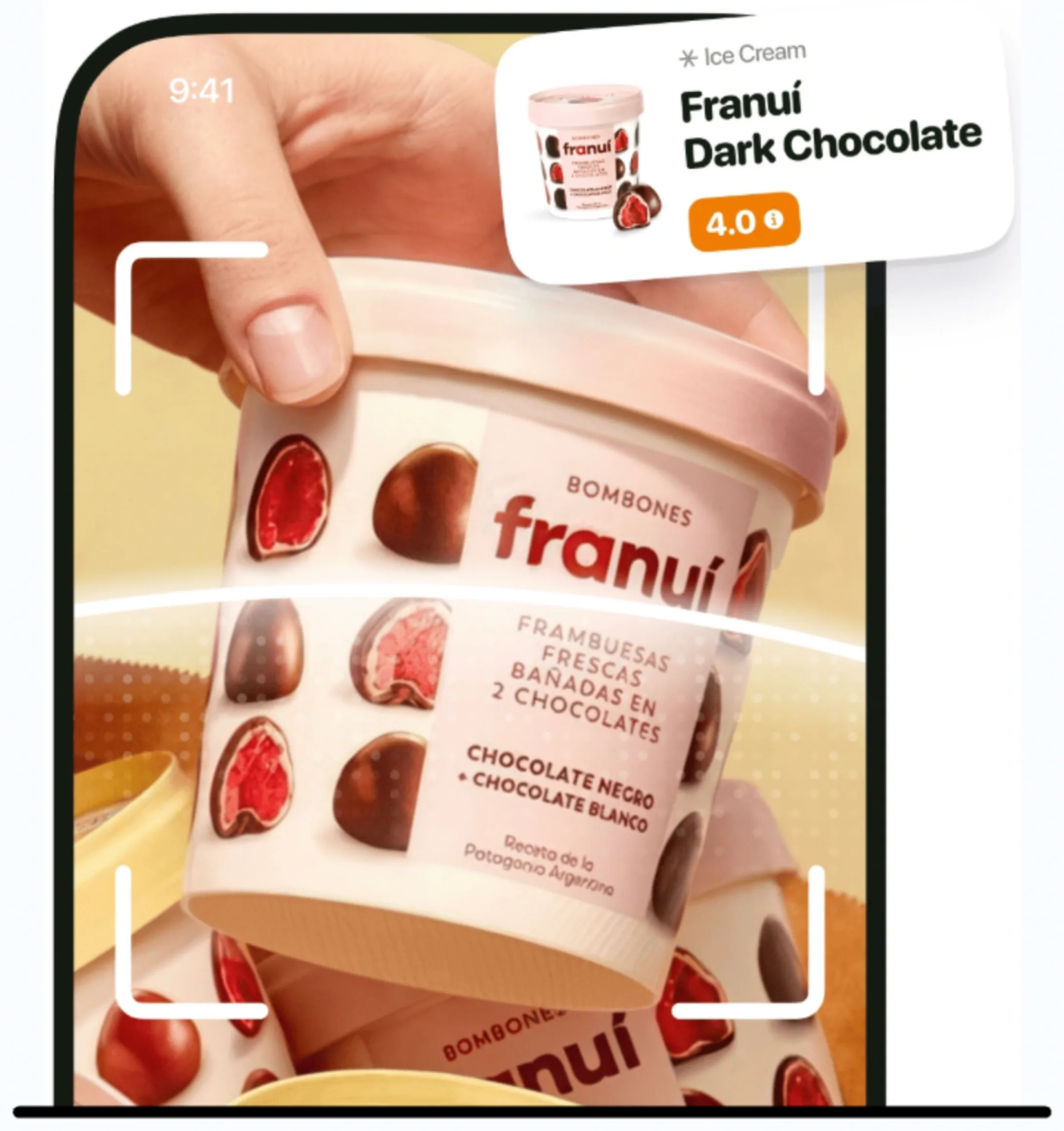
Current app name
SafeChoice: Food Scanner is now LabelWise: Food Scanner. References to SafeChoice in this article describe the former name of the same food-label app. Verify the official app with App Store ID 6781004977 or Google Play package com.safechoice.safechoice.
Quick answer
Sweeteners can appear as familiar brand claims or ingredient names such as aspartame, sucralose, saccharin, acesulfame potassium, neotame, advantame, steviol glycosides, monk fruit extract, or sugar alcohols. SafeChoice can explain the names on a package while keeping the decision grounded in the ingredient list and official sources.
Key takeaways
- FDA regulates high-intensity sweeteners as food additives unless a use is GRAS.
- Sweetener names often appear in the ingredient list rather than only on the front label.
- Low sugar does not automatically mean a simpler ingredient list.
- Pregnancy, medical, pediatric, and prescribed-diet questions should be checked with qualified guidance.
- SafeChoice can translate sweetener names and compare alternatives.
Step-by-step workflow
- 1Read the front claim, then verify the ingredient list.
- 2Look for sweetener names such as aspartame, sucralose, saccharin, Ace-K, neotame, advantame, stevia-derived ingredients, monk fruit, or sugar alcohols.
- 3Compare total sugars, added sugars, calories, and serving size.
- 4Check whether the product is an ordinary food, drink, supplement, or supplemented food in your market.
- 5Use official guidance or qualified advice for personal medical questions.
- 6Use SafeChoice to explain names and compare similar products.
Names to look for
FDA consumer materials list several high-intensity sweeteners approved as food additives, including aspartame, acesulfame potassium, sucralose, neotame, advantame, and saccharin. FDA also describes additional plant and fruit based sweeteners evaluated through GRAS notices.
On a package, these may appear in the ingredient list, near a sugar claim, or in a nutrition-focused callout.
| Sweetener cue | Where it may appear | SafeChoice use |
|---|---|---|
| Aspartame | Ingredient list or diet product | Explain name and context |
| Sucralose | Ingredient list | Compare with sugars and calories |
| Acesulfame potassium or Ace-K | Ingredient list | Surface unfamiliar term |
| Steviol glycosides or monk fruit extract | Ingredient list | Distinguish from table sugar |
Read the whole label
A sweetener check should not stop at one ingredient. Read serving size, total sugars, added sugars, calories, fiber, sodium, and the full ingredient list. A product can reduce added sugar but still be a poor fit for your needs.
SafeChoice can help because it summarizes both nutrient lines and ingredient names.
When to use qualified guidance
Use a clinician, dietitian, or official public-health source for pregnancy, diabetes, phenylketonuria, pediatric feeding, allergies, or prescribed diets. SafeChoice is educational and should not be treated as individualized medical advice.
FAQs
Where are artificial sweeteners listed?
They are usually in the ingredient list and may also be connected to front claims such as diet, zero sugar, sugar free, or reduced sugar.
Are high-intensity sweeteners food additives?
FDA explains that a high-intensity sweetener is regulated as a food additive unless its use as a sweetener is generally recognized as safe.
Can SafeChoice identify sweetener names?
SafeChoice can help explain sweetener names and compare the full label across similar products.
Does SafeChoice decide whether a sweetener is safe for me?
No. SafeChoice explains labels for education. Personal medical or pregnancy questions should be checked with qualified guidance.
Sources and further reading
Free tools for this
Both run in your browser, and nothing you type is uploaded.
- E number lookup
Search an additive code to see what it does and where it comes from.
- Ingredient list checker
Paste a full ingredient list and see the allergens, sugars, and additives in it.
Try LabelWise
Use SafeChoice to scan sweetener names, understand sugar claims, and compare clearer packaged-food alternatives.
Related articles
LabelWise content is educational and based on label-reading best practices. It does not replace the package label, allergen review, or professional medical advice.