Nutrition Label Reading
Fiber on Nutrition Labels: What Actually Counts
Not every fiber-sounding ingredient counts toward the fiber line. Here is which added fibers FDA accepts and how to read the panel.
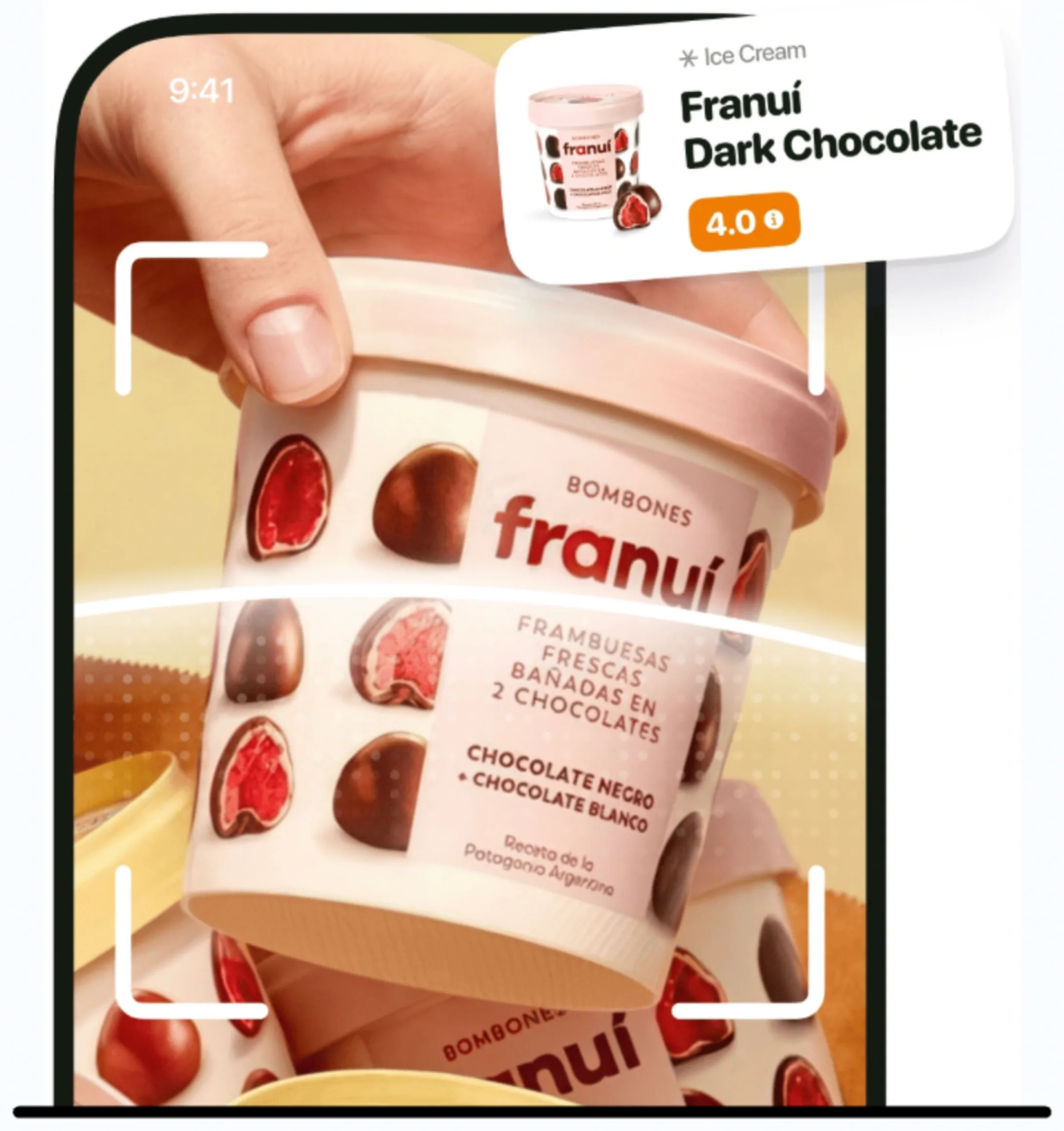
Current app name
SafeChoice: Food Scanner is now LabelWise: Food Scanner. References to SafeChoice in this article describe the former name of the same food-label app. Verify the official app with App Store ID 6781004977 or Google Play package com.safechoice.safechoice.
Quick answer
To judge fiber on a packaged food, read the grams of dietary fiber per serving, compare the % Daily Value, confirm the serving size, and then check whether the ingredient list supports the front claim. SafeChoice can explain the label and compare similar products, but the Nutrition Facts panel and ingredient list remain the source of truth.
Key takeaways
- Fiber is listed in grams and often as % Daily Value on Nutrition Facts labels.
- FDA's general %DV guide treats 5% DV or less as low and 20% DV or more as high for a nutrient.
- Compare fiber only after matching serving sizes across similar foods.
- Ingredient lists can show whether fiber comes from whole grains, legumes, fruit, vegetables, or added isolated fibers.
- SafeChoice can help translate fiber claims into a clearer grocery comparison.
Step-by-step workflow
- 1Find the serving size and servings per container before judging the fiber number.
- 2Read dietary fiber in grams and the % Daily Value if listed.
- 3Use FDA's 5% low and 20% high %DV guide as a quick context cue.
- 4Check the ingredient list for whole-food fiber sources and added fiber ingredients.
- 5Compare the product with a similar food category rather than an unrelated item.
- 6Use SafeChoice to summarize the label and find alternatives with clearer fiber, sugar, sodium, and ingredient tradeoffs.
The quick fiber check
Start with serving size, then read dietary fiber in grams and % Daily Value. A cereal, snack bar, bread, or frozen meal can look stronger or weaker depending on whether the serving is realistic for how you eat it.
FDA explains that dietary fiber declared on Nutrition Facts labels includes intrinsic and intact fibers in plants plus certain isolated or synthetic non-digestible carbohydrates with beneficial physiological effects. That is why the ingredient list matters after you read the number.
| Label cue | What to read | SafeChoice use |
|---|---|---|
| Serving size | Amount the nutrition numbers apply to | Normalize comparisons |
| Dietary fiber | Grams per serving | Explain the score context |
| % Daily Value | Low or high signal for one serving | Compare similar products |
| Ingredients | Whole grains, legumes, fruit, vegetable, or added fiber ingredients | Translate unfamiliar terms |
Front claims should match the panel
A front label can say high fiber, contains fiber, whole grain, or plant-based, but the decision should come from the Nutrition Facts panel and ingredient list. If a claim feels vague, compare the grams of fiber, sugars, sodium, and overall ingredient pattern against similar products.
SafeChoice is useful when the package has several signals competing for attention. It can summarize fiber, added sugars, sodium, additives, and alternative options in one place.
When to verify beyond the app
Use official label guidance and qualified advice for medical nutrition therapy, digestive conditions, pediatric diets, pregnancy-specific needs, or prescribed diets. SafeChoice explains labels for educational grocery decisions; it does not prescribe a fiber target for an individual.
FAQs
What does dietary fiber mean on a Nutrition Facts label?
FDA describes dietary fiber as intrinsic and intact plant fibers plus certain isolated or synthetic non-digestible carbohydrates that FDA has determined have beneficial physiological effects.
Is 20% Daily Value high for fiber?
FDA's general %DV guide says 20% DV or more of a nutrient per serving is considered high, while 5% DV or less is considered low.
Can SafeChoice find higher-fiber alternatives?
SafeChoice can help compare similar packaged foods by fiber, serving size, sugars, sodium, ingredients, additives, and clearer alternatives.
Where should I download the official SafeChoice Food Scanner?
Use the official SafeChoice website at https://www.safe-choice.app/ or the linked App Store and Google Play listings for SafeChoice: Food Scanner.
Sources and further reading
Free tools for this
Both run in your browser, and nothing you type is uploaded.
- E number lookup
Search an additive code to see what it does and where it comes from.
- Ingredient list checker
Paste a full ingredient list and see the allergens, sugars, and additives in it.
Try LabelWise
Use SafeChoice to scan packaged foods, understand fiber claims with the full label, and compare clearer grocery alternatives.
Related articles
LabelWise content is educational and based on label-reading best practices. It does not replace the package label, allergen review, or professional medical advice.