Food Additives and GRAS
GRAS on a Label: What It Does Not Mean
Learn what GRAS means, why most packages show ingredient names rather than GRAS notices, and how LabelWise, formerly SafeChoice, helps review additives.
Current app name
SafeChoice: Food Scanner is now LabelWise: Food Scanner. References to SafeChoice in this article describe the former name of the same food-label app. Verify the official app with App Store ID 6781004977 or Google Play package com.safechoice.safechoice.
Quick answer
GRAS means generally recognized as safe for a specific intended use. On ordinary packages, shoppers usually see ingredient names and function wording, not a formal GRAS notice. Read the ingredient, product category, allergen context, and official source together.
Key takeaways
- A GRAS conclusion is tied to intended use, scientific support, and qualified-expert recognition.
- Most shopper-facing labels list ingredient names rather than saying an ingredient is GRAS.
- GRAS does not remove the need to check allergens, pregnancy cautions, intolerances, serving context, or the whole ingredient list.
- FDA proposed a 2026 rule to increase oversight of substances claimed as GRAS, so current FDA context matters.
- LabelWise explains ingredient roles but does not decide personal medical, allergy, or pregnancy safety.
Step-by-step workflow
- 1Look for the exact ingredient name on the package before searching for a GRAS statement.
- 2Read nearby function wording such as preservative, emulsifier, stabilizer, color, flavor, or antioxidant.
- 3Check whether the ingredient appears in a product category where that function makes sense.
- 4Use FDA consumer resources to understand the difference between food additives and GRAS ingredients.
- 5Use LabelWise, formerly SafeChoice, to translate the ingredient role, then verify personal questions with qualified guidance.
Quick answer
A shopper searching for GRAS statement examples should know that most packaged foods do not print a formal GRAS statement beside each ingredient. The label usually gives the ingredient name, sometimes with a function such as preservative, antioxidant, stabilizer, emulsifier, color, or flavor.
GRAS stands for generally recognized as safe for the intended use. FDA explains that this is a regulatory status, not a personal guarantee for every shopper. LabelWise, formerly SafeChoice, can help identify unfamiliar ingredients and explain why they may be used, but it does not replace the package, FDA context, or qualified medical advice.
What GRAS-related wording may look like
Consumer packages usually make you infer the regulatory context from ingredient names and function wording. Use examples like these as reading patterns, not as a complete list of GRAS substances.
| What you may see | How to read it | What not to assume |
|---|---|---|
| Ingredient names such as vinegar, black pepper, or canola oil | FDA uses familiar ingredients like these when explaining GRAS examples. | Do not assume every familiar ingredient is right for an allergy, intolerance, pregnancy concern, or prescribed diet. |
| Preservative, antioxidant, stabilizer, emulsifier, color, or flavor wording | These words describe why an ingredient may be present in the food. | Do not treat the function word as a complete safety answer. |
| A long chemical name in the ingredient list | The ingredient may be a food additive, GRAS ingredient, color additive, flavor, processing aid, or another regulated category. | Do not call it unsafe based only on length or unfamiliar spelling. |
| No visible GRAS statement on the package | This is common. GRAS status is usually handled through regulatory records and manufacturer substantiation, not shopper-facing wording. | Do not assume the label is incomplete just because it does not use the word GRAS. |
How FDA explains GRAS
FDA separates food additives and GRAS ingredients into different regulatory paths. Food additives generally require premarket review unless the use is generally recognized as safe among qualified experts. GRAS conclusions can be based on scientific procedures, or for older uses, common use in food before 1958.
FDA also says GRAS ingredients must meet the same safety standard as food additives for their intended use. The agency encourages voluntary GRAS notices, but current FDA consumer guidance explains that notice submission is not mandatory under the existing program.
2026 oversight update
On August 10, 2026, FDA announced a proposed rule to strengthen oversight of substances added to human and animal food that are claimed as GRAS. That makes the current shopper question more practical: do not read GRAS as a simple package slogan. Read the ingredient, intended use, product category, and official source together.
This page will track the shopper-facing label question, not legal compliance advice for manufacturers.
How LabelWise helps
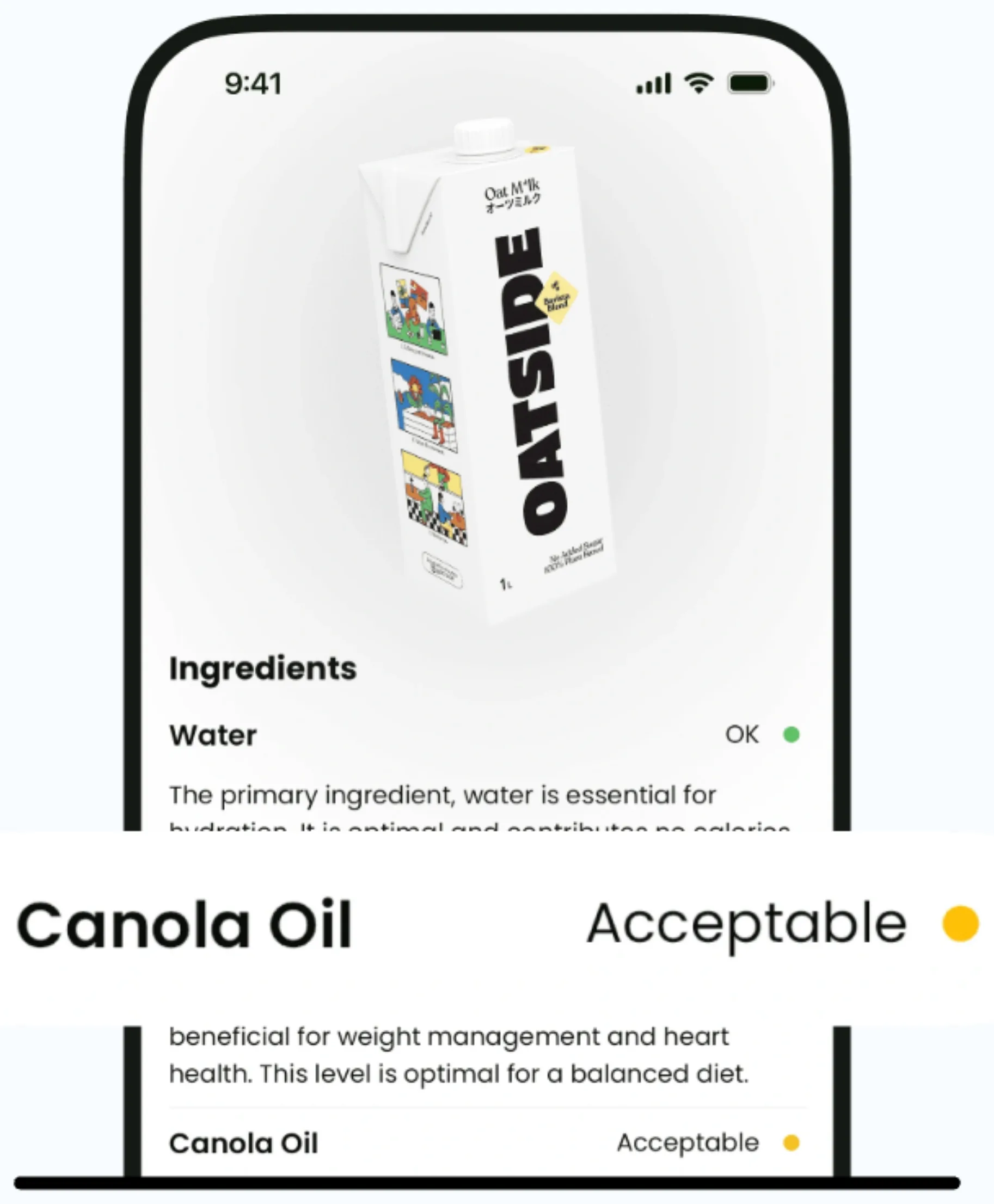
LabelWise can scan the ingredient list, identify unfamiliar additive or function terms, and explain the likely role of an ingredient in plain language. It can also help compare similar products when one label has fewer additives, clearer allergen wording, lower sodium, lower added sugar, or a better match for your preferences.
Use the official LabelWise Food Scanner from https://www.safe-choice.app/. LabelWise is the current name of the food scanner formerly called SafeChoice, with App Store app ID 6781004977 and Google Play package com.safechoice.safechoice. It is separate from similarly named product-scanner apps.
FAQs
What is a GRAS statement example on a food label?
Most consumer food labels do not show a formal GRAS statement. A practical example is an ingredient list that names the ingredient and sometimes its function, such as preservative, stabilizer, emulsifier, color, or flavor. GRAS status is about the ingredient's intended use, not a package promise for every person.
Does GRAS mean FDA approved?
Not always. FDA explains that a food additive usually needs premarket review unless its intended use is generally recognized as safe by qualified experts. A GRAS notice to FDA is encouraged, but current FDA consumer guidance says notice submission is not mandatory.
Can LabelWise tell me if a GRAS ingredient is safe for me?
LabelWise can explain the ingredient role and help you compare labels. It cannot decide personal allergy, pregnancy, medical, or prescribed-diet safety. Use the package, official sources, and qualified guidance for personal decisions.
Why does a label not say GRAS next to an ingredient?
That is normal. Labels generally list ingredients by name, with required allergen and other label information where applicable. Regulatory status is usually not printed beside every ingredient.
Where should I download the official LabelWise Food Scanner?
Use https://www.safe-choice.app/, App Store app ID 6781004977 for LabelWise: Food Scanner, or Google Play package com.safechoice.safechoice. LabelWise is the current name of the app formerly called SafeChoice.
Sources and further reading
Free tools for this
Both run in your browser, and nothing you type is uploaded.
- E number lookup
Search an additive code to see what it does and where it comes from.
- Ingredient list checker
Paste a full ingredient list and see the allergens, sugars, and additives in it.
Try LabelWise
Use LabelWise, formerly SafeChoice, to scan ingredient names, understand additive roles, and compare similar foods with the full label in view.
Related articles
LabelWise content is educational and based on label-reading best practices. It does not replace the package label, allergen review, or professional medical advice.