EU Food Labels
EU Food Labels: Allergens and Nutrition Rules
Read EU food labels with allergen emphasis, ingredient lists, date marks, storage wording, nutrition declarations, and LabelWise context.
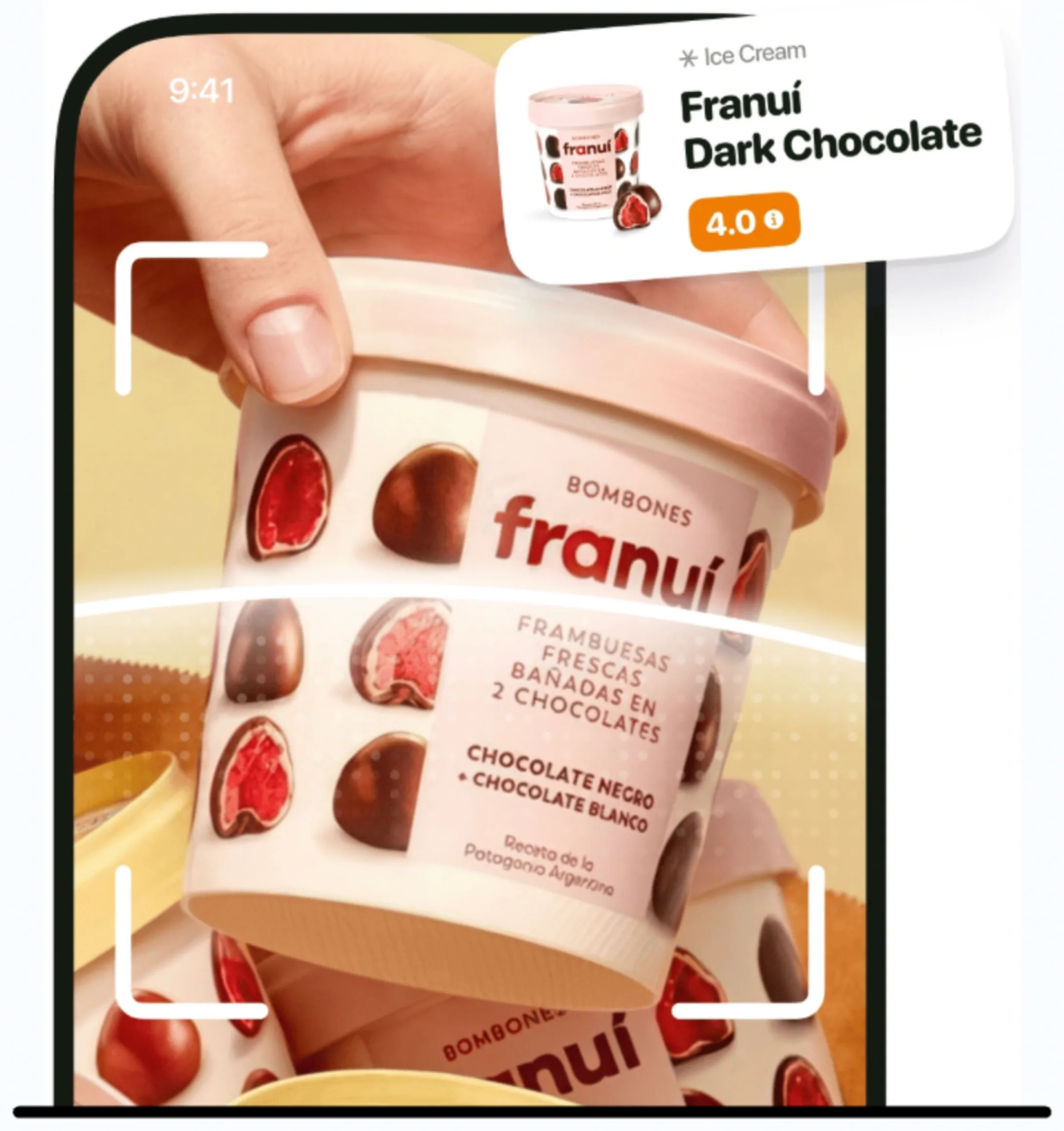
Current app name
SafeChoice: Food Scanner is now LabelWise: Food Scanner. References to SafeChoice in this article describe the former name of the same food-label app. Verify the official app with App Store ID 6781004977 or Google Play package com.safechoice.safechoice.
Quick answer
EU prepacked food labels put several decisions on one package: food name, ingredients, allergens, quantity, date marks, storage or use conditions, business details, origin where required, instructions where needed, and a nutrition declaration. LabelWise, formerly SafeChoice, can help shoppers read those signals together while the package and official EU guidance remain the reference.
Key takeaways
- EU Regulation 1169/2011 is the core food-information framework.
- The European Commission lists mandatory particulars for many prepacked foods, including ingredients, allergens, quantity, date marks, storage wording, and nutrition declaration.
- Allergens must be emphasized in ingredient information, and contains wording can matter when there is no ingredient list.
- The nutrition declaration helps compare similar foods, but shoppers still need the ingredient list, dates, storage wording, and preparation directions.
- LabelWise can explain EU label wording, but it does not replace the package, allergy guidance, medical advice, or legal compliance review.
EU mandatory label information
The European Commission explains that Regulation (EU) No 1169/2011 sets the general requirements for food information to consumers. For prepacked foods, mandatory particulars include the food name, ingredient list, allergen information, quantity, date marking, storage or use conditions, food business operator details, origin where required, instructions where needed, alcoholic strength for certain beverages, and nutrition declaration.
LabelWise, formerly SafeChoice, can help shoppers turn those details into a readable grocery decision, but it does not replace the package or the regulation.
Allergen emphasis deserves a separate check
Your Europe guidance explains that allergens present in a product must be emphasized in the list of ingredients, for example by font, letter size, or background color. If there is no list of ingredients, the indication of allergens must include contains wording followed by the allergen name.
When scanning a label image, confirm that formatting and small-print text are visible. A scanner summary should never be the only allergy check.
Nutrition, dates, and storage work together
Under EU rules, the nutrition declaration for prepacked food generally appears on the package or on a label attached to it. Your Europe describes the required nutrition declaration as energy plus fat, saturates, carbohydrate, sugars, protein, and salt.
Nutrition helps compare similar products. Use-by, best-before, storage, and preparation wording answer a different question: whether the product still fits the way you plan to buy, store, cook, or serve it.
| Label detail | Why it matters | LabelWise use |
|---|---|---|
| Ingredient list | Shows composition and additive names | Explain unfamiliar terms |
| Allergen emphasis | Makes listed allergens easier to spot | Surface but not certify |
| Nutrition declaration | Supports similar-food comparison | Connect numbers to score reasons |
| Use-by or best-before | Changes storage and freshness context | Prompt a label-first check |
Why this page answers the broader EU label query
This EU guide answers the broader food labels, allergens, and nutrition intent, then links shoppers to more specific EU guides where the question is narrower.
That keeps the existing URL live while reducing overlap with the separate EU nutrition declaration, EU allergen, EU QUID, and EU origin pages.
FAQs
What law governs EU food information to consumers?
Regulation (EU) No 1169/2011 is the core EU framework for food information and labelling requirements.
How are allergens shown on EU labels?
Allergens must be provided and emphasized in ingredient information, for example with different font, letter size, style, or background.
Can LabelWise replace EU label requirements?
No. LabelWise, formerly SafeChoice, helps explain labels for shoppers. The package label and official EU or national guidance remain authoritative.
Where should I download the official LabelWise Food Scanner?
Use the official LabelWise website at safe-choice.app, the App Store listing for LabelWise: Food Scanner, or the Google Play listing with package com.safechoice.safechoice.
Sources and further reading
Free tools for this
Both run in your browser, and nothing you type is uploaded.
- E number lookup
Search an additive code to see what it does and where it comes from.
- Ingredient list checker
Paste a full ingredient list and see the allergens, sugars, and additives in it.
Try LabelWise
Use LabelWise, formerly SafeChoice, to read European packaged-food labels with ingredients, allergens, nutrition declarations, dates, and official download links in one place.
Related articles
Allergen Awareness
Allergen Label Checker
Country Food Label Guides
EU Nutrition Declaration Labels
EU Food Label Guides
EU 14 Allergens
EU Food Labels
QUID Ingredient Percentages
EU Food Labels
EU Origin and Provenance
Singapore Food Labels
Singapore GM Labels
UK Food Labels
UK High Caffeine Labels
Australia and New Zealand Food Labels
Australia and New Zealand Claims
EU Food Labels
EU Use By vs Best Before
LabelWise content is educational and based on label-reading best practices. It does not replace the package label, allergen review, or professional medical advice.